Derek Love is a designer based in New York. He combines visual and verbal design, rooted in research, to craft authentic and unified narratives for commercial and cultural entities.
Reductionism and purity of expression guide Derek’s practice. He focuses on creating sustainable work that moves beyond passing trends. His work spans brand strategy, identity, and experience.
He has been recognized by Communication Arts, Graphis, and Print Magazine, and received the Steven Heller Design Research Award. He has also judged for the Art Directors Club.
Since 2017, he has led brand activations, retail experiences, and cross-platform campaigns as senior creative director at Verizon, where he leads a team of 20 creative practitioners.
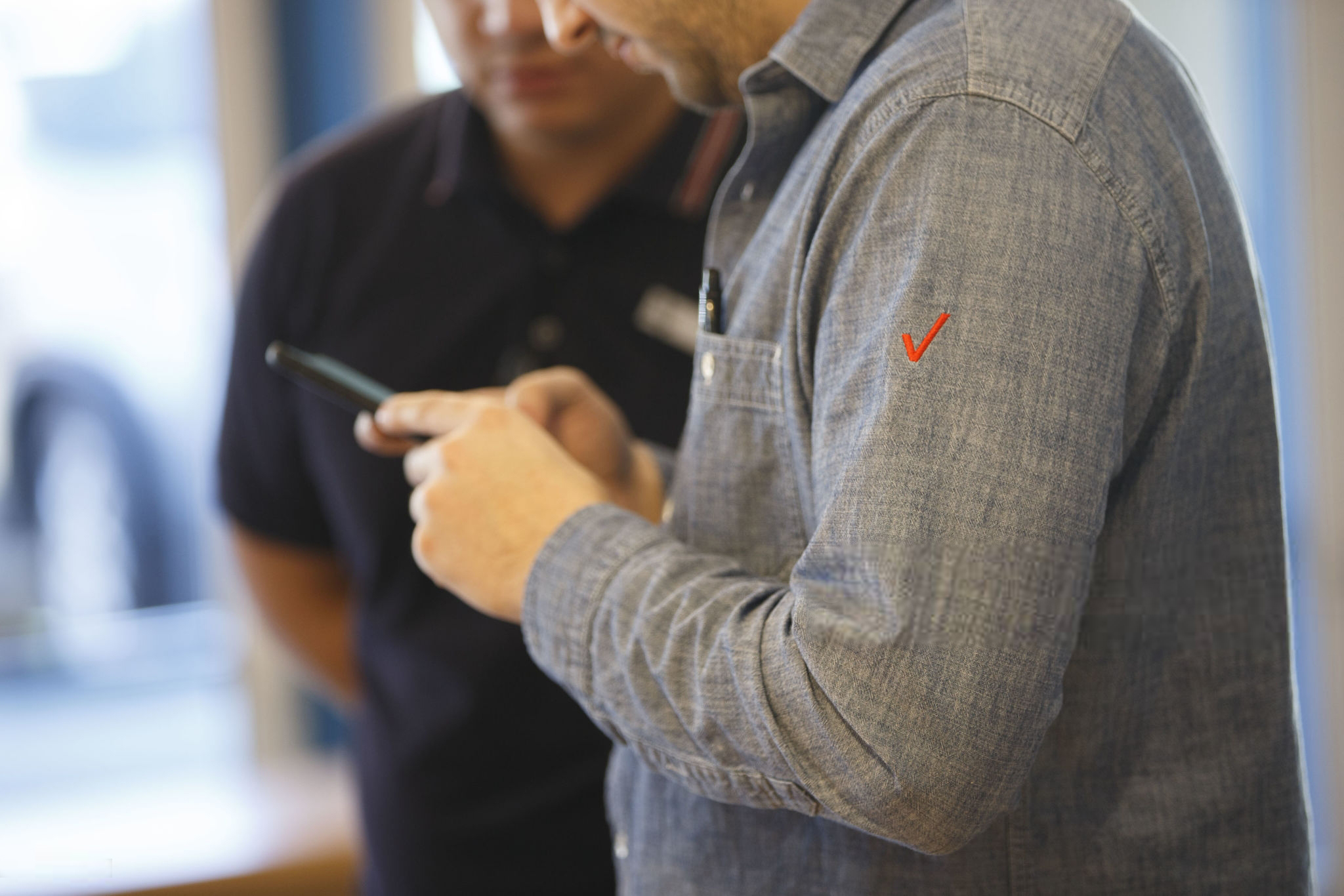
Design system, photography, and campaign materials that unify Verizon’s product, retail, and digital communications.
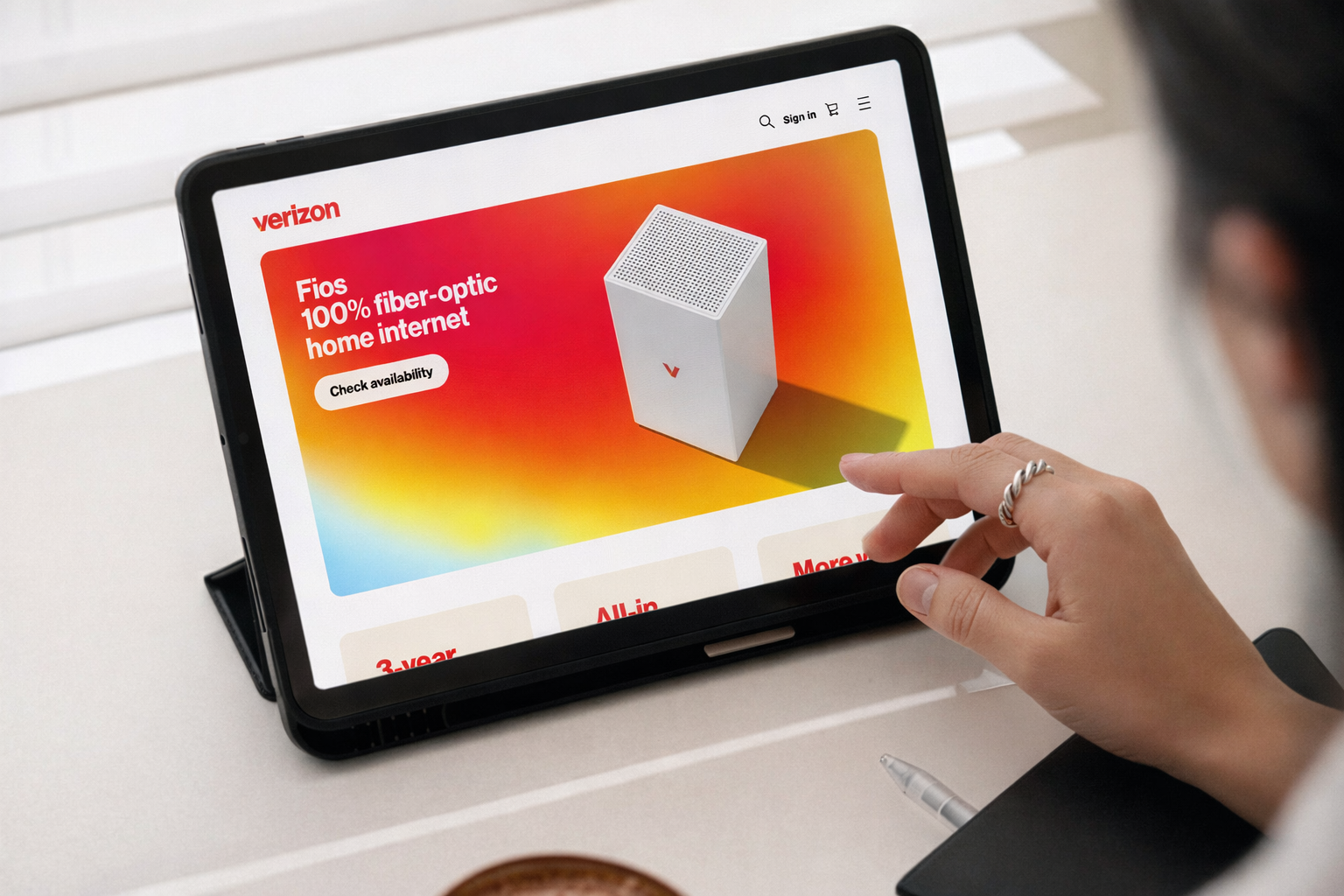
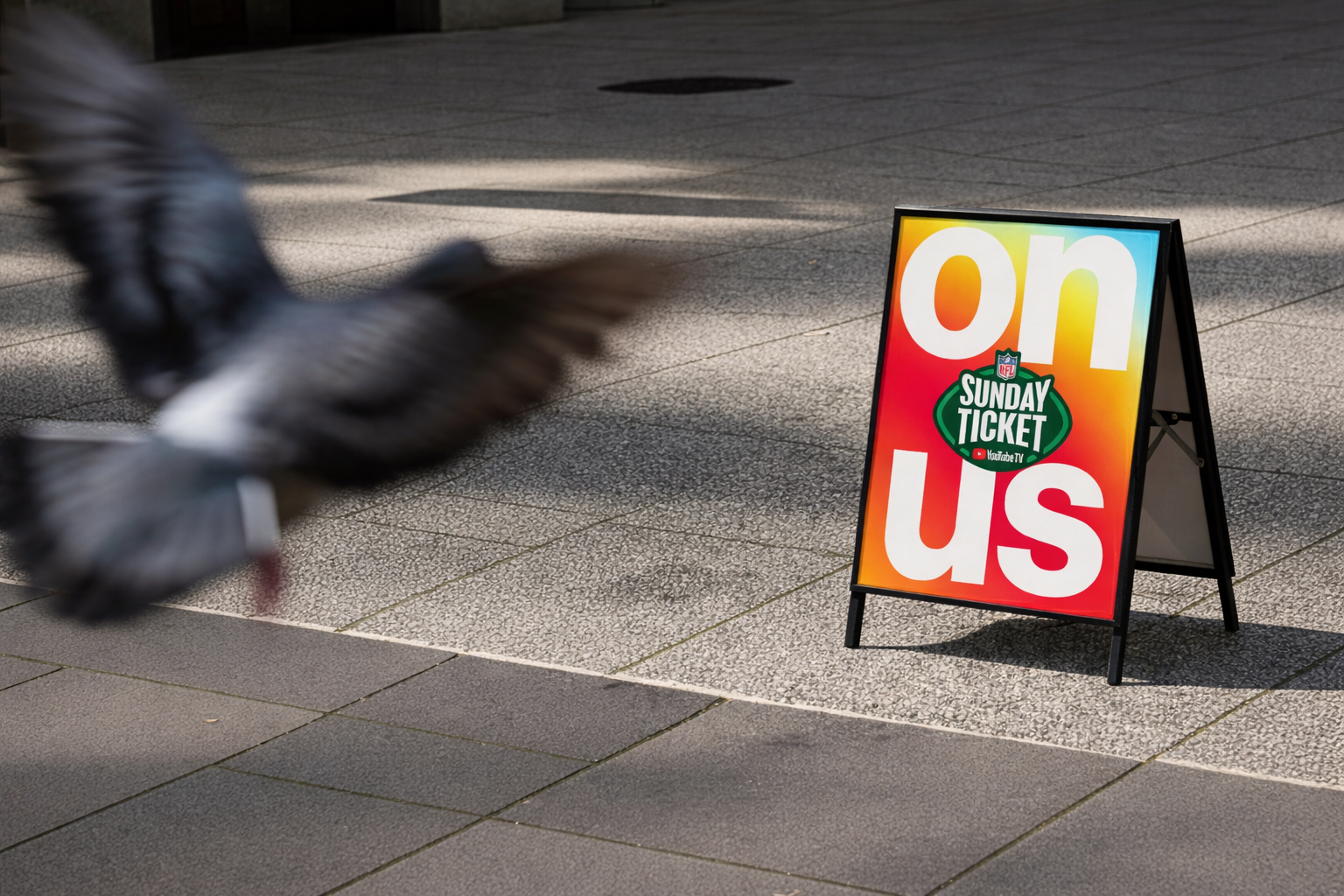
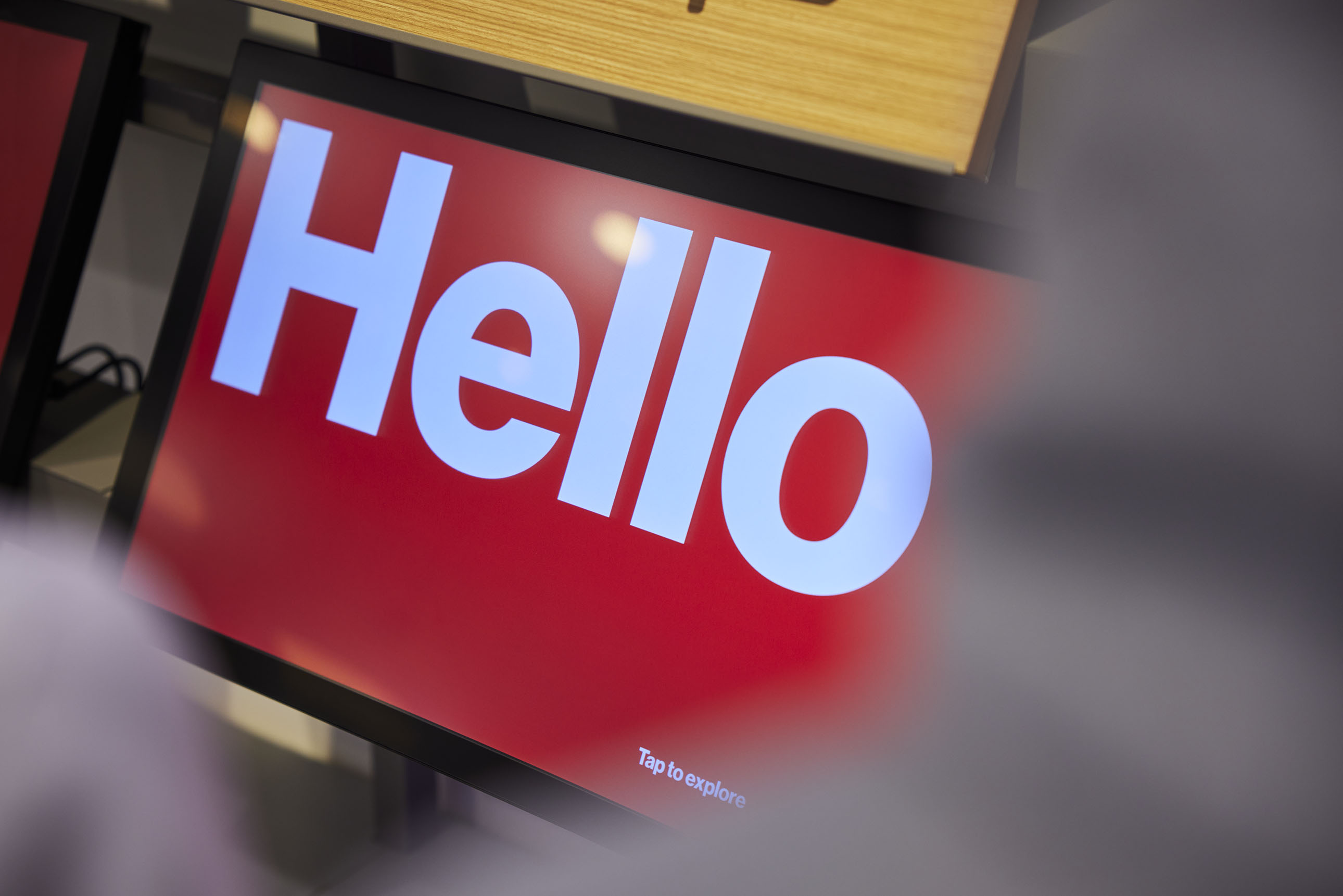
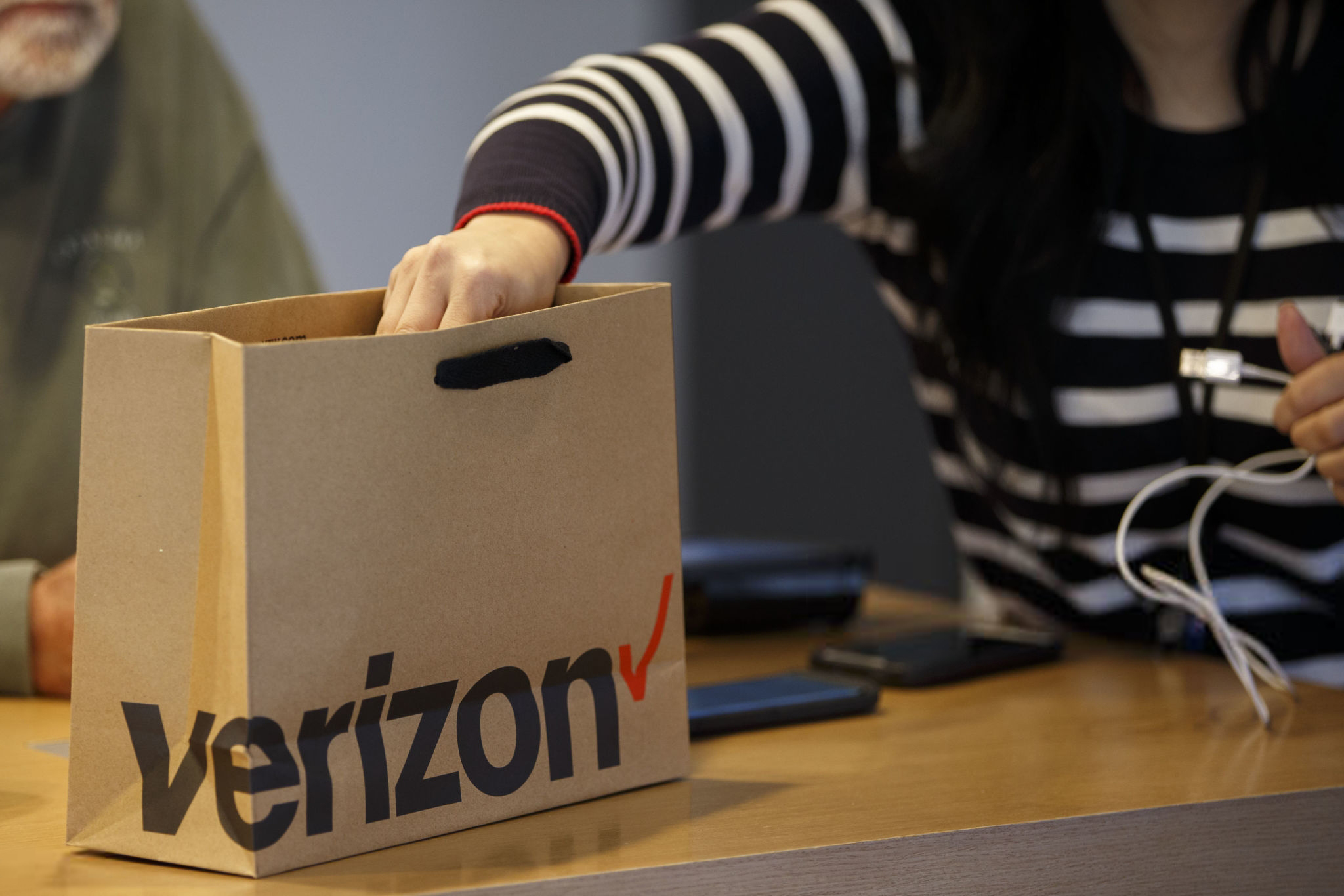
The work gives the brand one clear voice across every touchpoint. It makes information easier to understand and helps people move through product stories without effort. Color brings warmth without overwhelming the message. Photography stays grounded in real people and real products. Portraits feel open. Product images stay direct. The system adapts to scale and context but holds its shape. Type remains quiet so images and color carry the story.
Studio: Verizon; In collaboration with: Turner Duckworth; Vice President, Creative: Guto Andrade; Senior Creative Director: Derek Love; Design Lead: Serom Lee; Portrait photography: Jane Smith; Product photography: Boon Chian Ong; Typeface: Neue Haas Grotesk; Year: 2025.
A comprehensive brand relaunch spanning identity, visual and verbal design, motion, interactive, retail, and campaign.
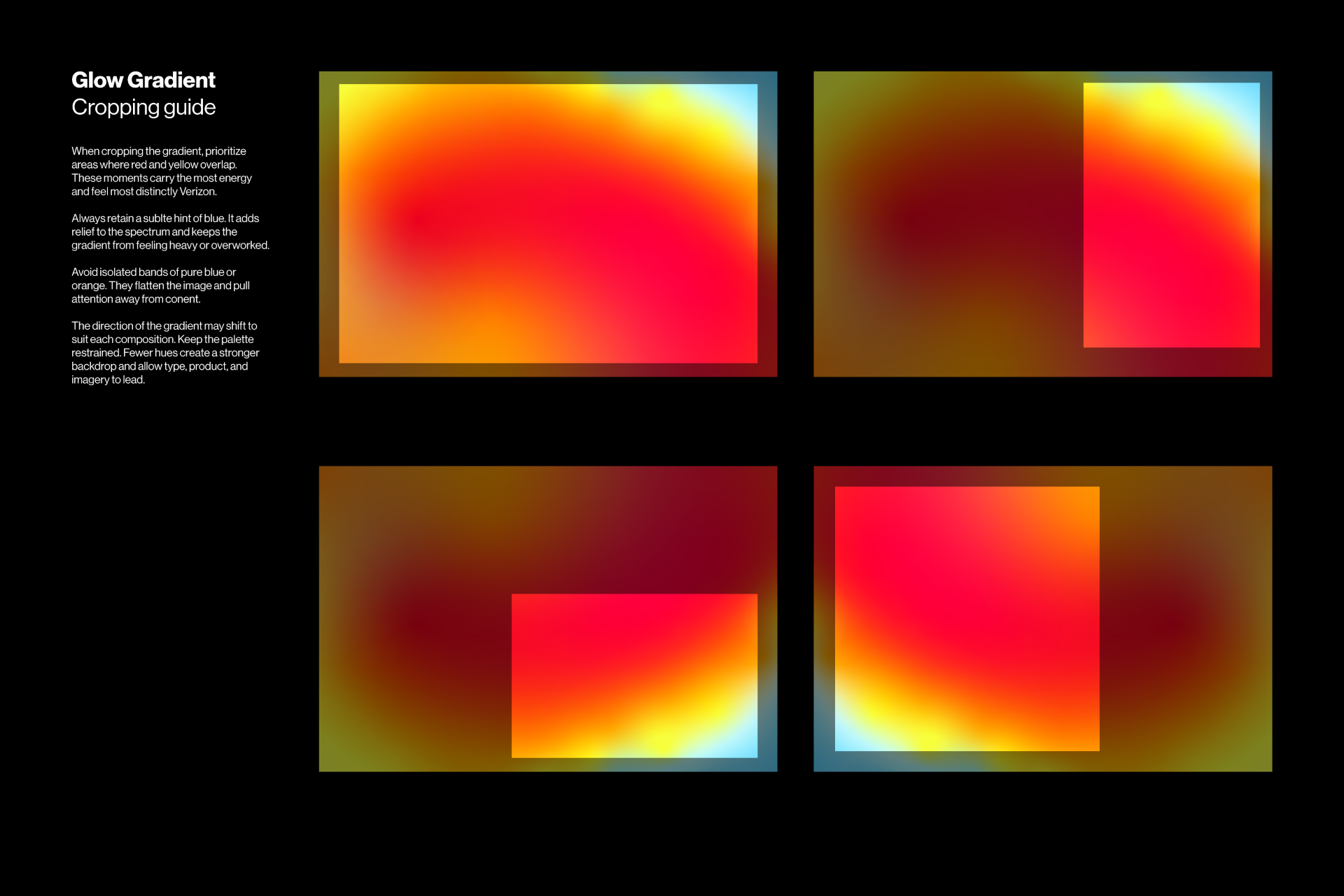
The work marked a shift away from a corporate tone toward something warmer and more alive. Color became the anchor of the system, carrying emotion and energy across every touchpoint. At the center is the V, reimagined with a glowing gradient that can live inside the full wordmark or stand on its own. It reintroduces a sense of electricity tied to earlier eras of the brand while pushing it forward. Neue Haas Grotesk remains in place to ground the identity. Red leads the palette, supported by softer tones of stone and yellow. The glow creates a clear focal point and ties the system together, resulting in a brand that feels brighter and more immediate while staying rooted in Verizon’s history and expressing the energy of life powered by what the brand offers.
Studio: Verizon; In collaboration with: Turner Duckworth; Chief Marketing Officer: Leslie Berland; Vice Presidents, Creative: Ricardo Aspiazu, Mike Wente; Senior Creative Director: Derek Love; Photography by Boon Chian Ong and Connie Zhou; Typeface: Neue Haas Grotesk; Year: 2024.
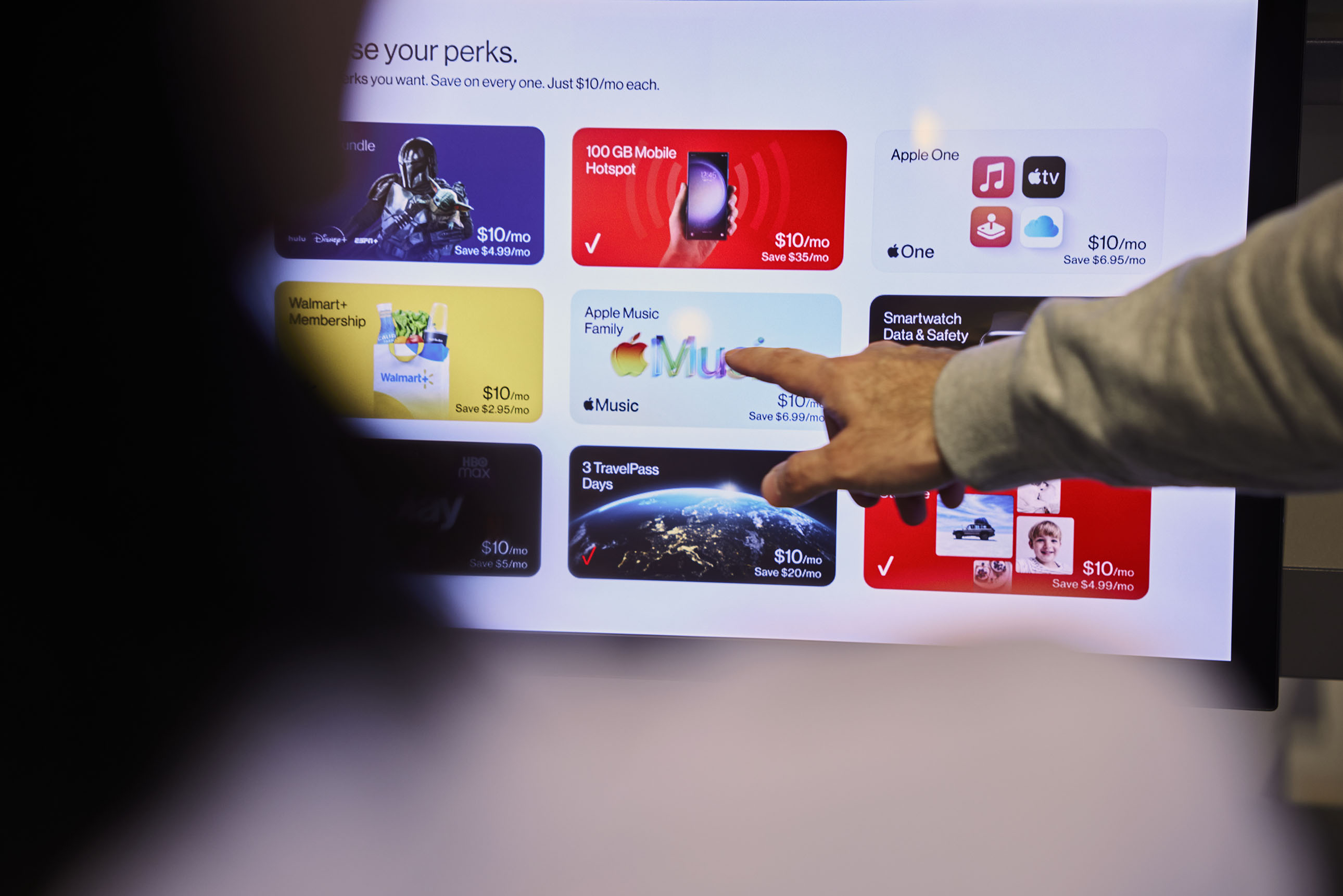
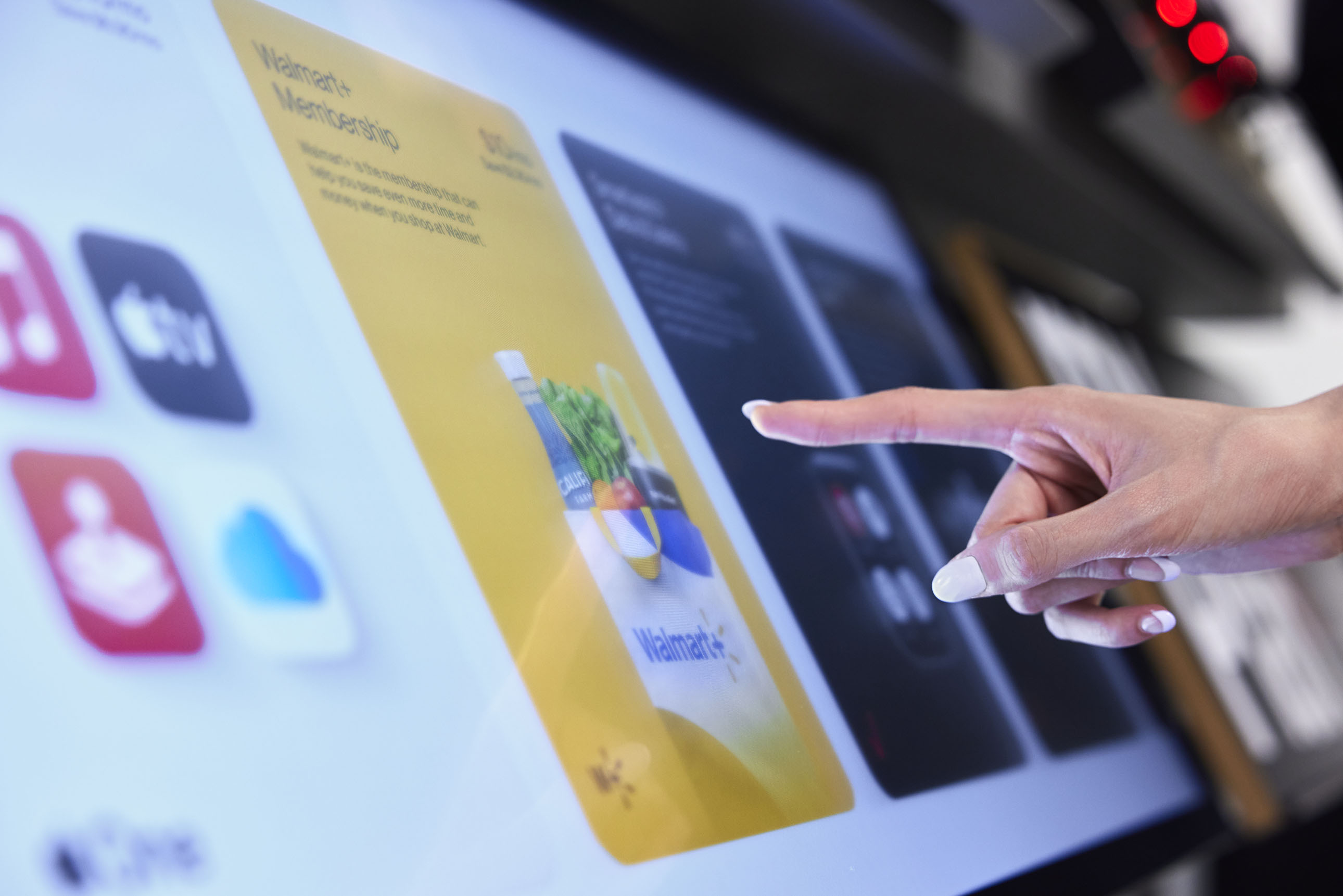
An interactive design system unifying digital customer experiences across retail, web, and app.
The work brings all in-store and digital touchpoints into one clear structure that is easy to use and easy to maintain. A shared component library and defined standards give designers a reliable foundation, reducing friction and improving consistency for customers. The system is built to scale. Changes to color, grid, type, or motion carry across the entire framework, ensuring the experience remains intuitive no matter where someone encounters a Verizon digital product.
Studio: Verizon; Chief Marketing Officer: Diego Scotti; Senior Creative Director: Derek Love; Associate Creative Director: Minhwan Kim; Interaction Designers: Dharini Perera, Gowoon Park; Typeface: Neue Haas Grotesk; Year: 2023.
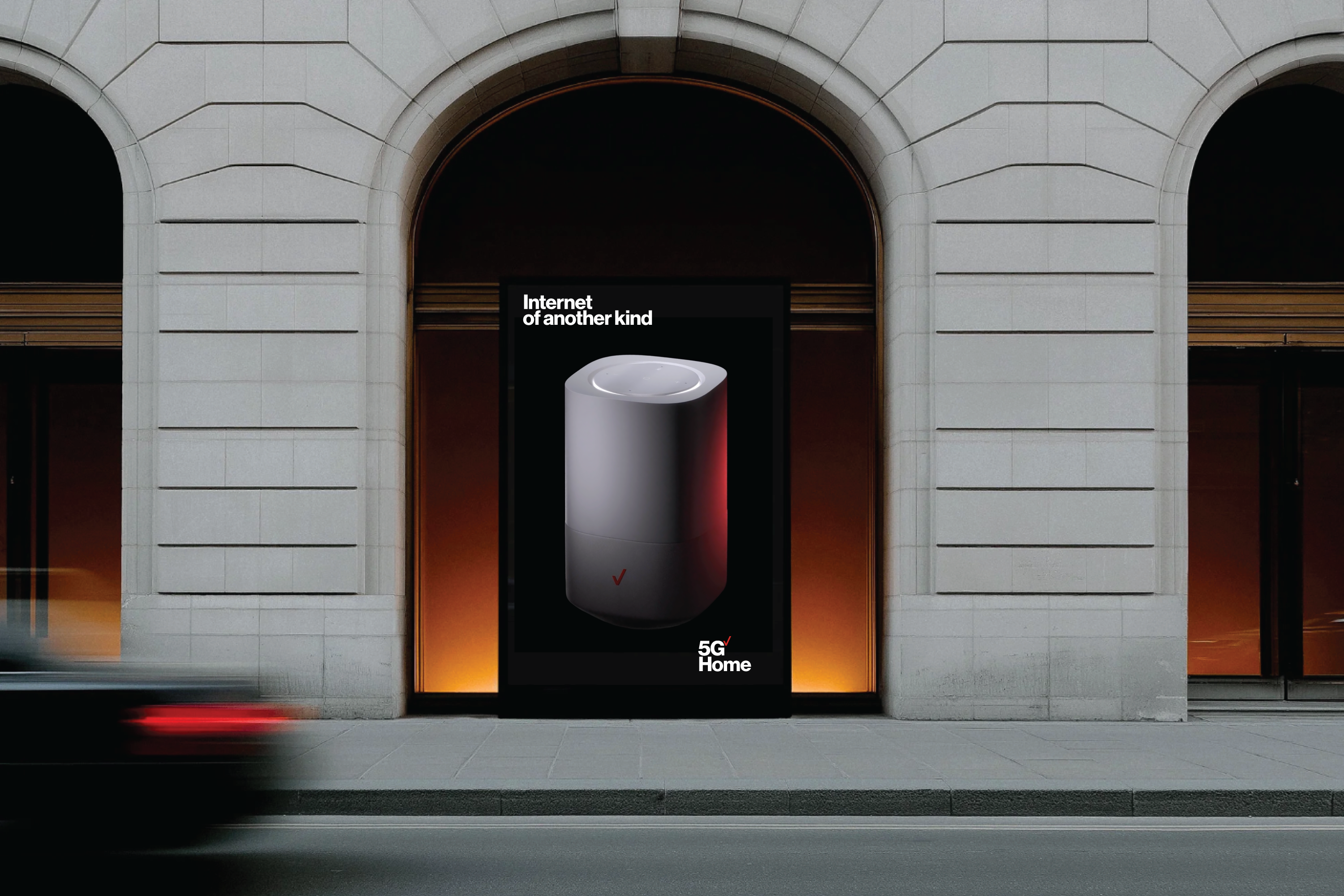
Art direction, motion design, and spatial design for the launch of Verizon 5G Home Internet.
The product sits on Verizon’s advanced 5G network and was introduced with a new router designed to feel like a quiet object in the home. It blends into any space and becomes connective tissue for daily life. The communications focused on simplicity and power. “5G Home has landed” carried a sense of newness and suggested something almost otherworldly. The work highlighted speed, reliability, and ease of use. The tone stayed clean and modern. The design underscored the technology without turning it into spectacle.
Studio: Verizon; Chief Creative Officer: Andrew McKechnie; Senior Creative Director: Derek Love; Associate Creative Director: Marvin de Jong; Designer: Kyla Arsadjaja; Motion: Bryce Barros; Animation: Buck; Typeface: Neue Haas Grotesk; Year: 2021.
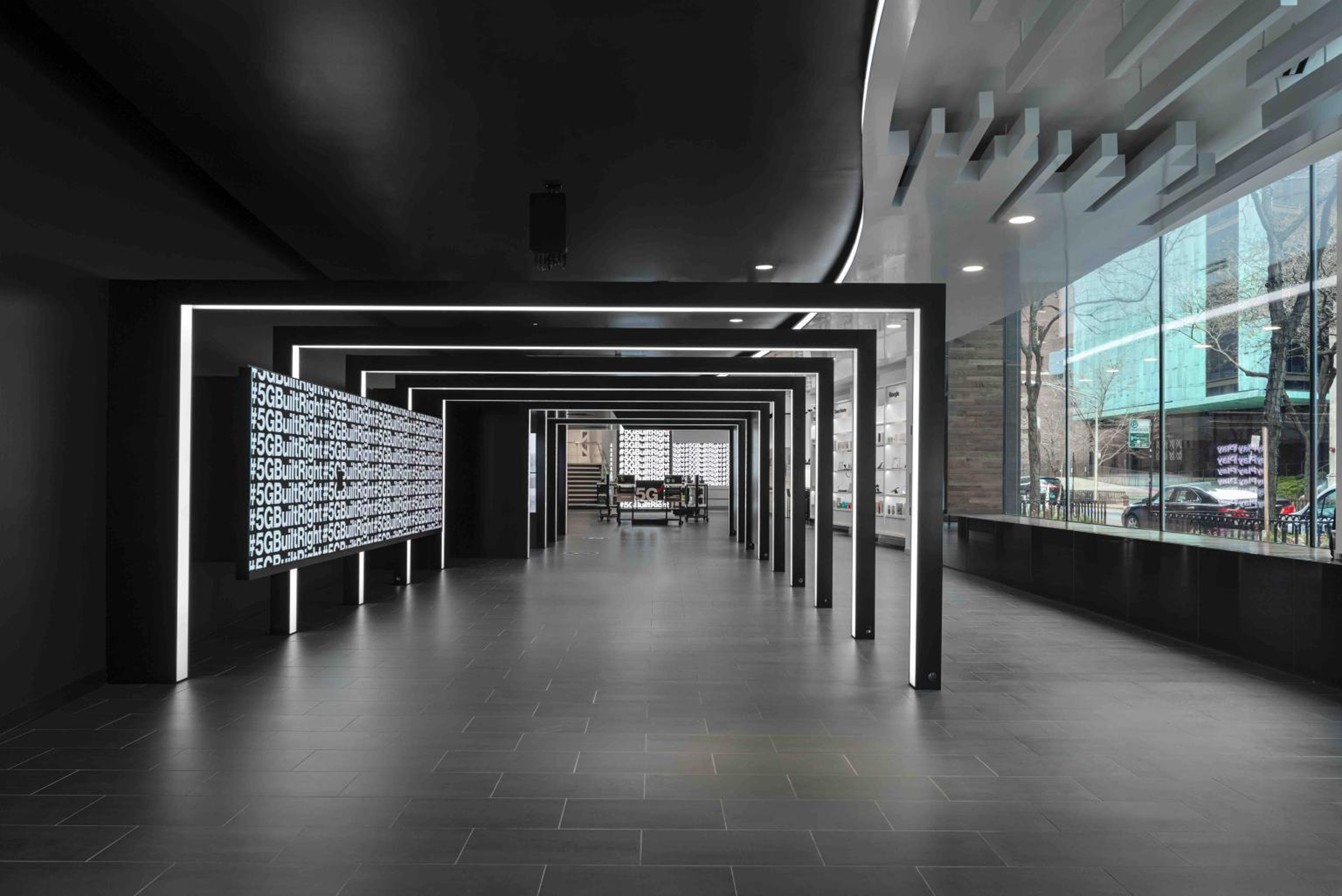
Pop up design, motion, and environmental graphics created with architectural partners to transform a raw space in Chicago into a place for engagement.
The work gave physical form to an emerging technology that was still difficult to understand. 5G was not yet fully visible, so the pop up allowed customers to experience it through real use cases. Motion activated displays, focused audio moments, AR touchpoints, voice activation, and large scale motion graphics were balanced with quieter lifestyle scenes. The space was designed to guide people naturally and give the technology a human pace.
Studio: Verizon; Chief Creative Officer: Andrew McKechnie; Senior Creative Director: Derek Love; Associate Creative Director: Marvin de Jong; Copywriter: Michael Dougherty; Designer: Ilya Yavnoshan; Motion: Bryce Barros; Typeface: Neue Haas Grotesk; Years: 2019 to 2020.
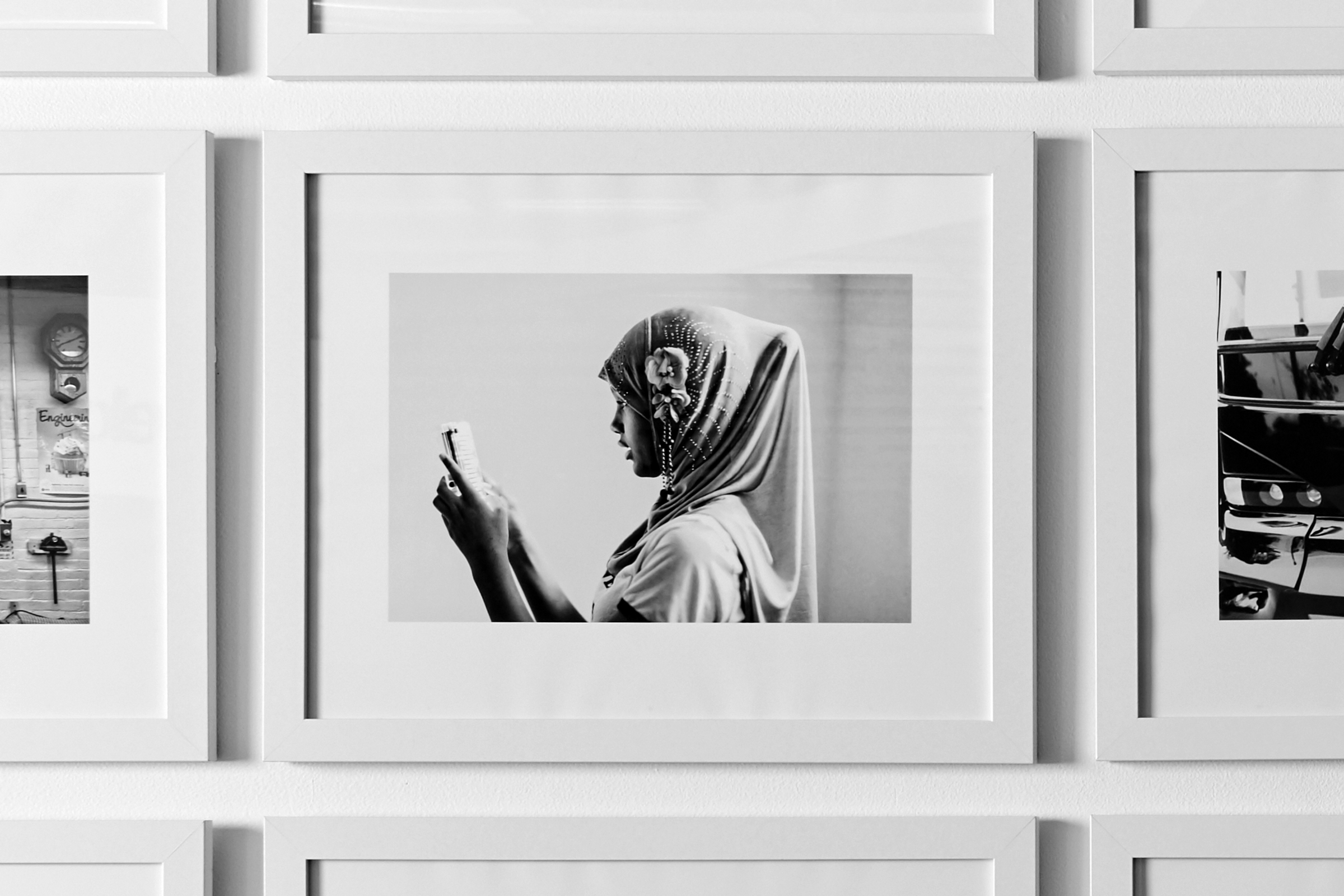
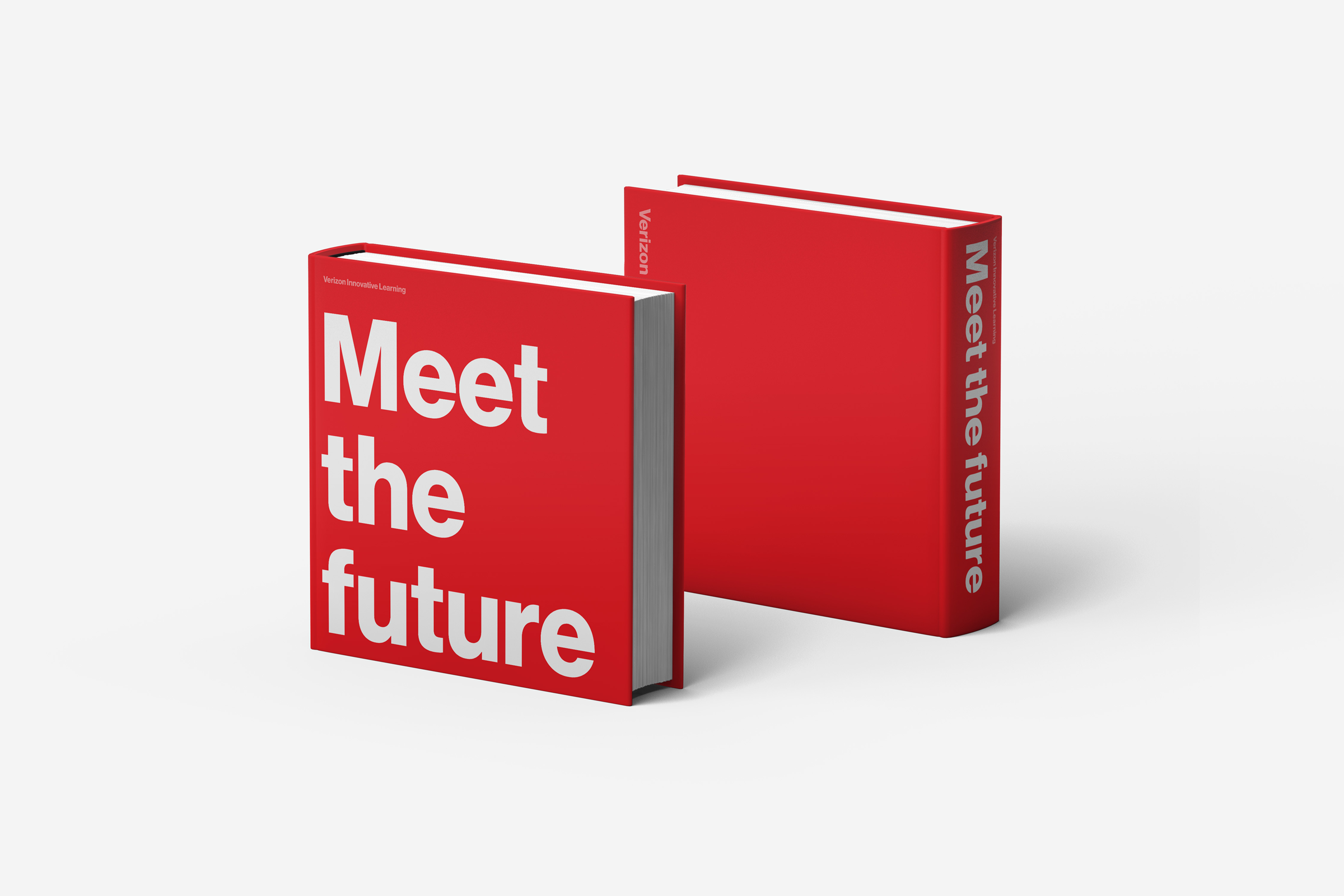
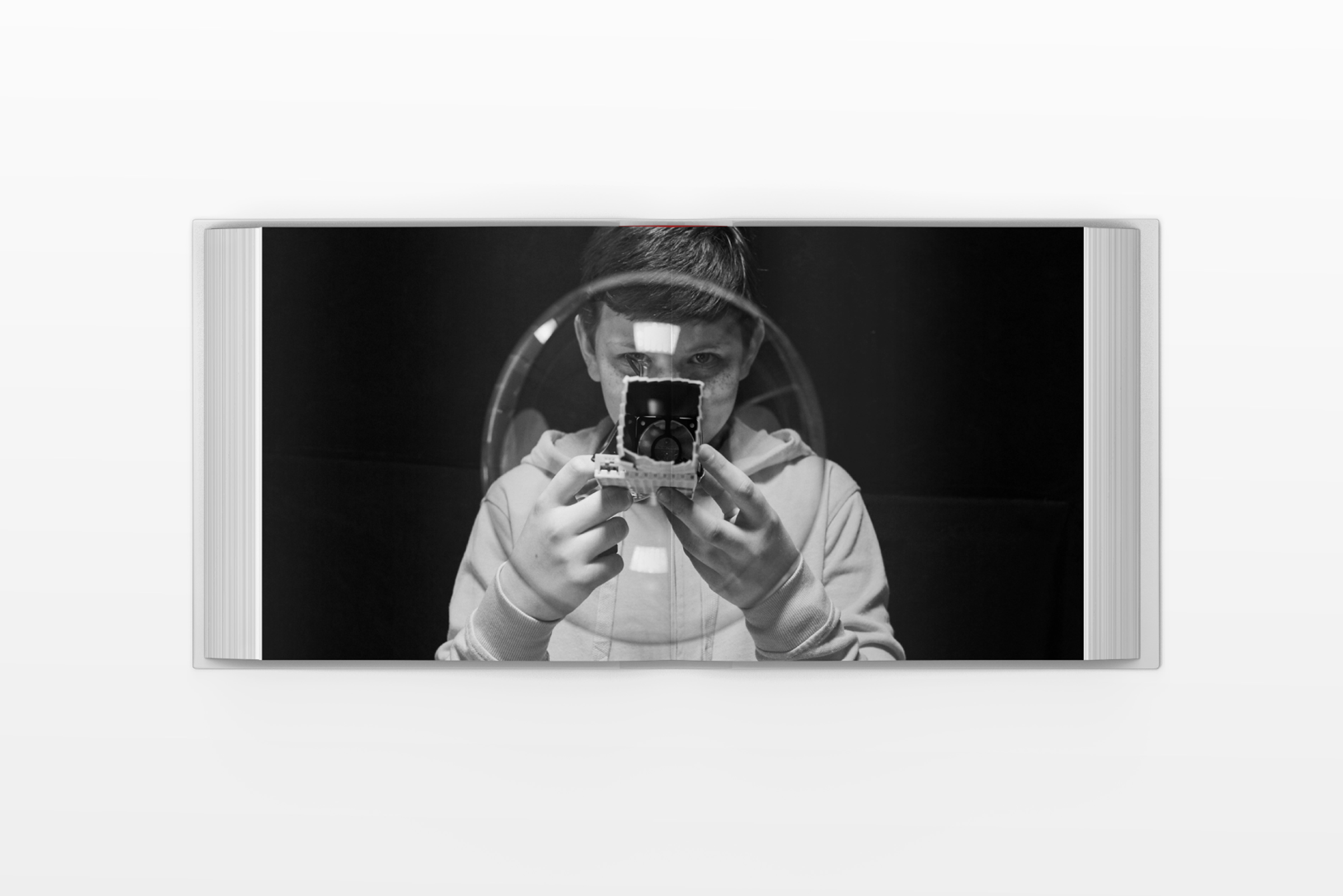
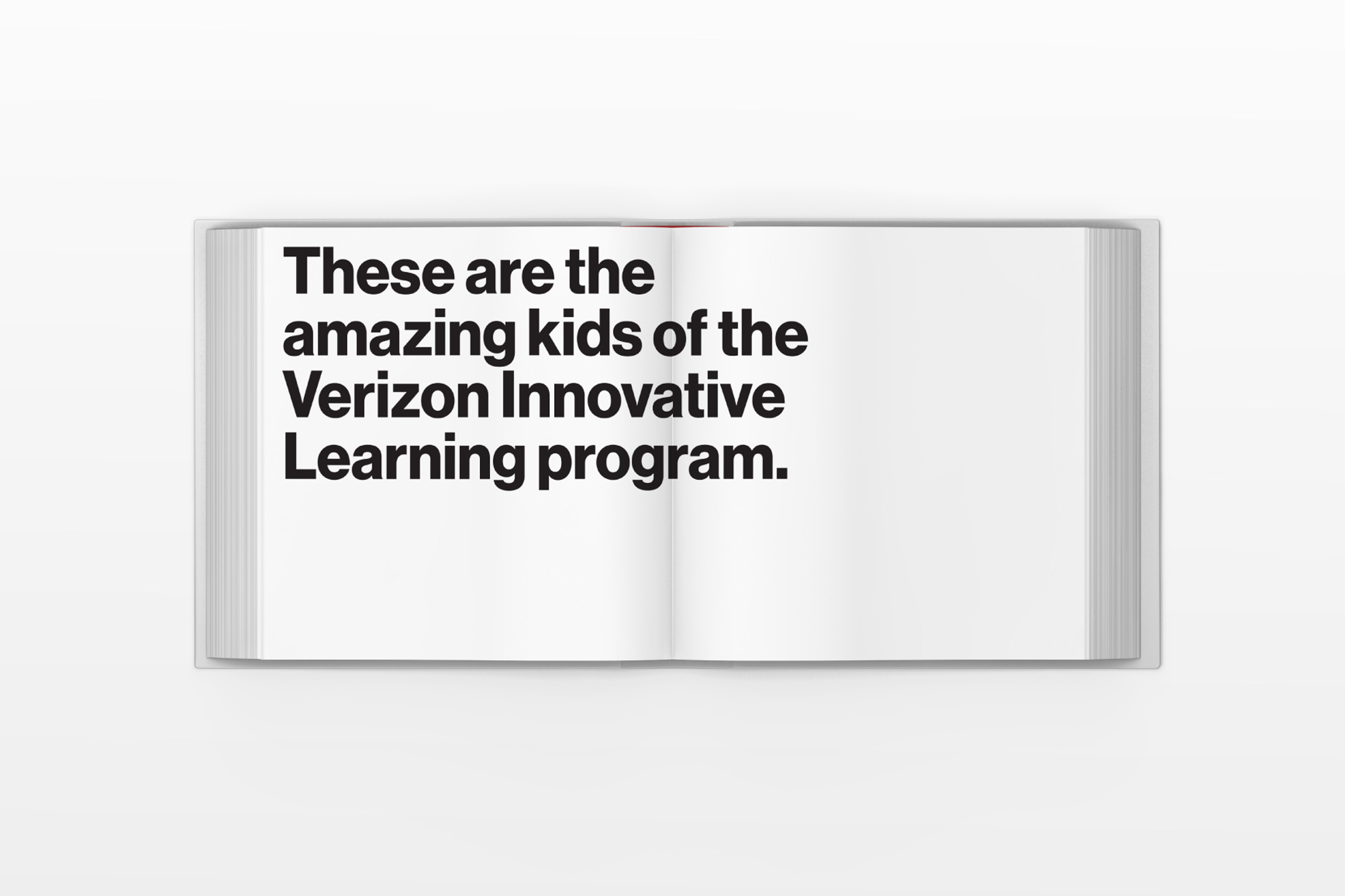
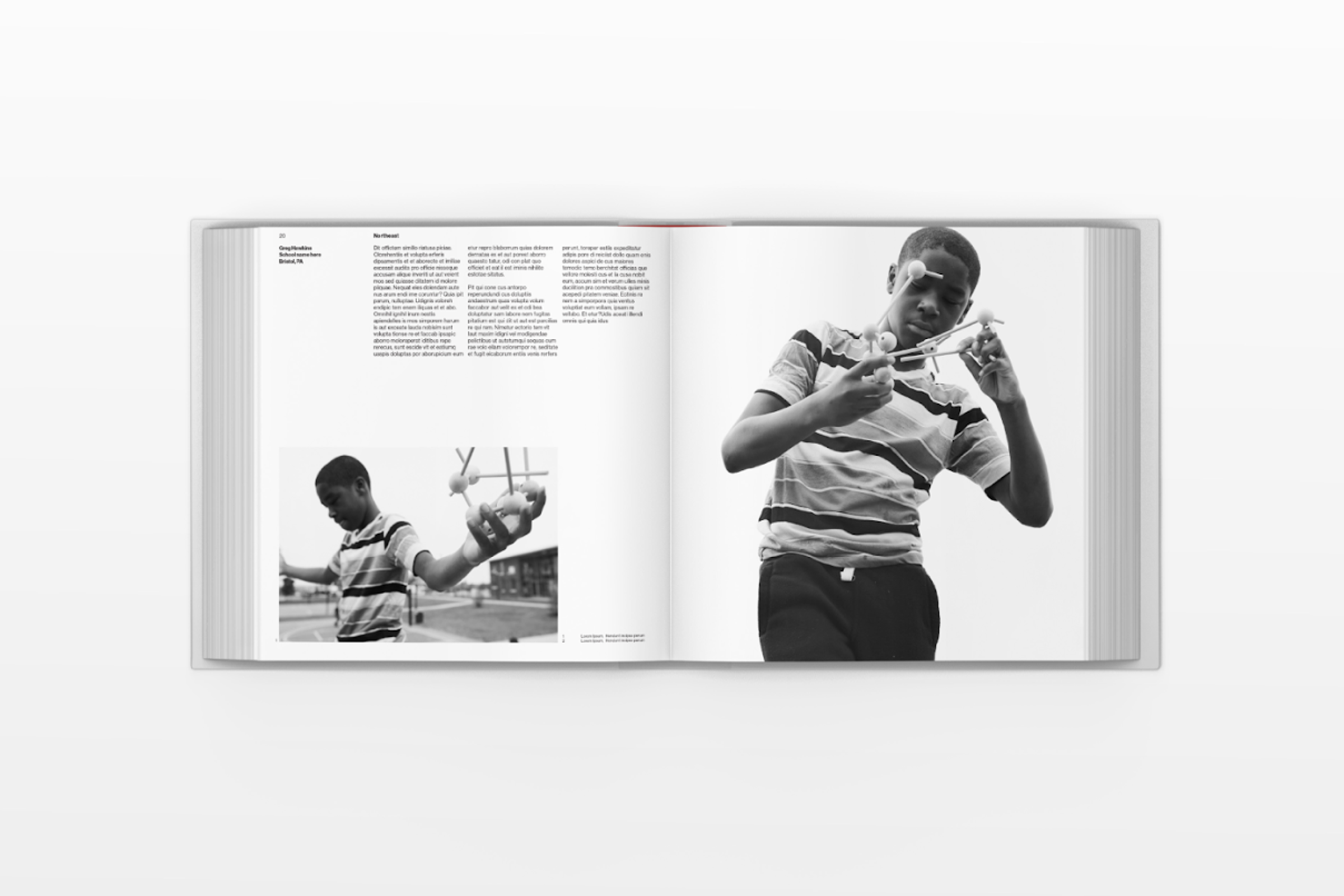
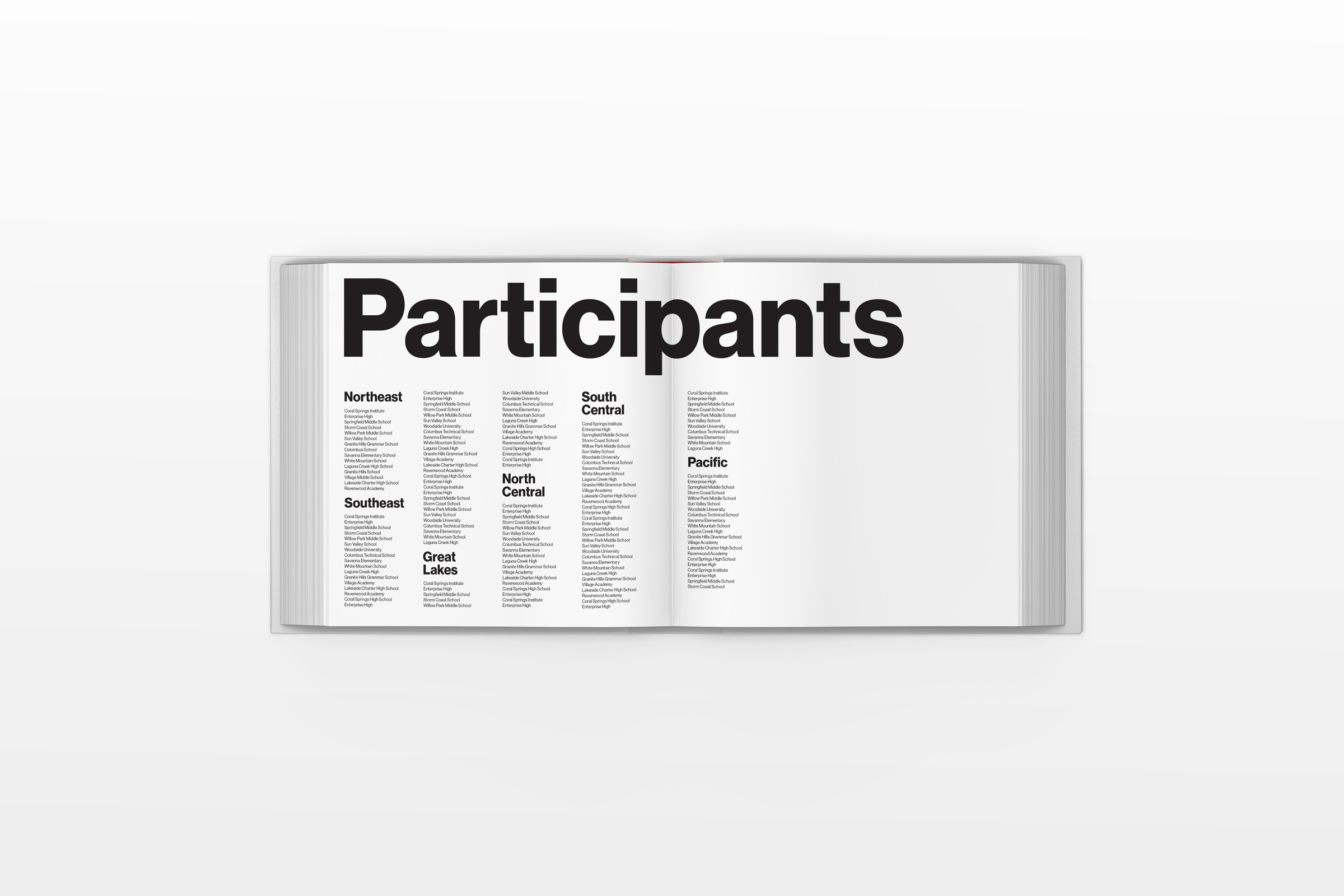
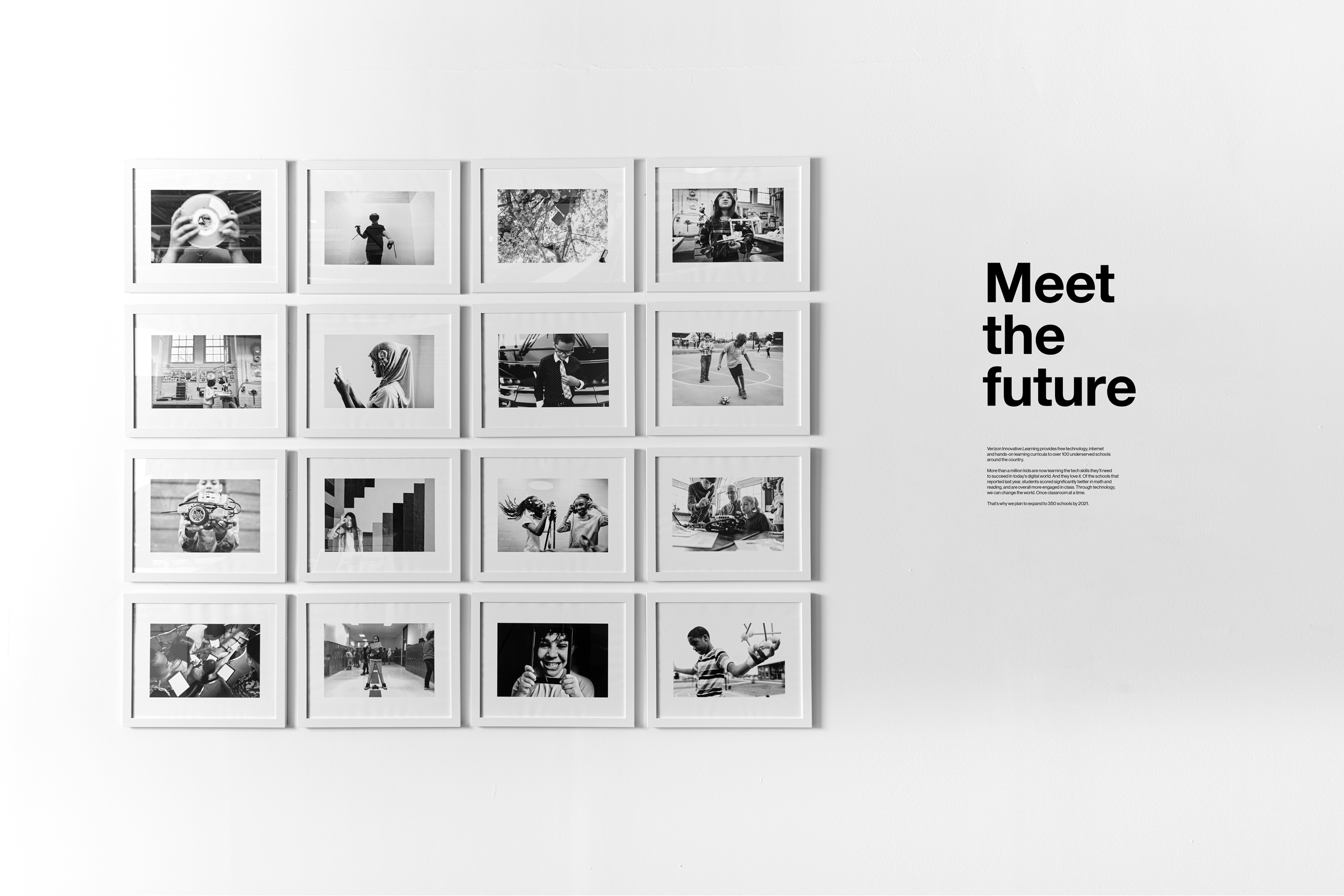
Brand strategy, identity, publication design, and environmental graphics for a program expanding access to digital education.
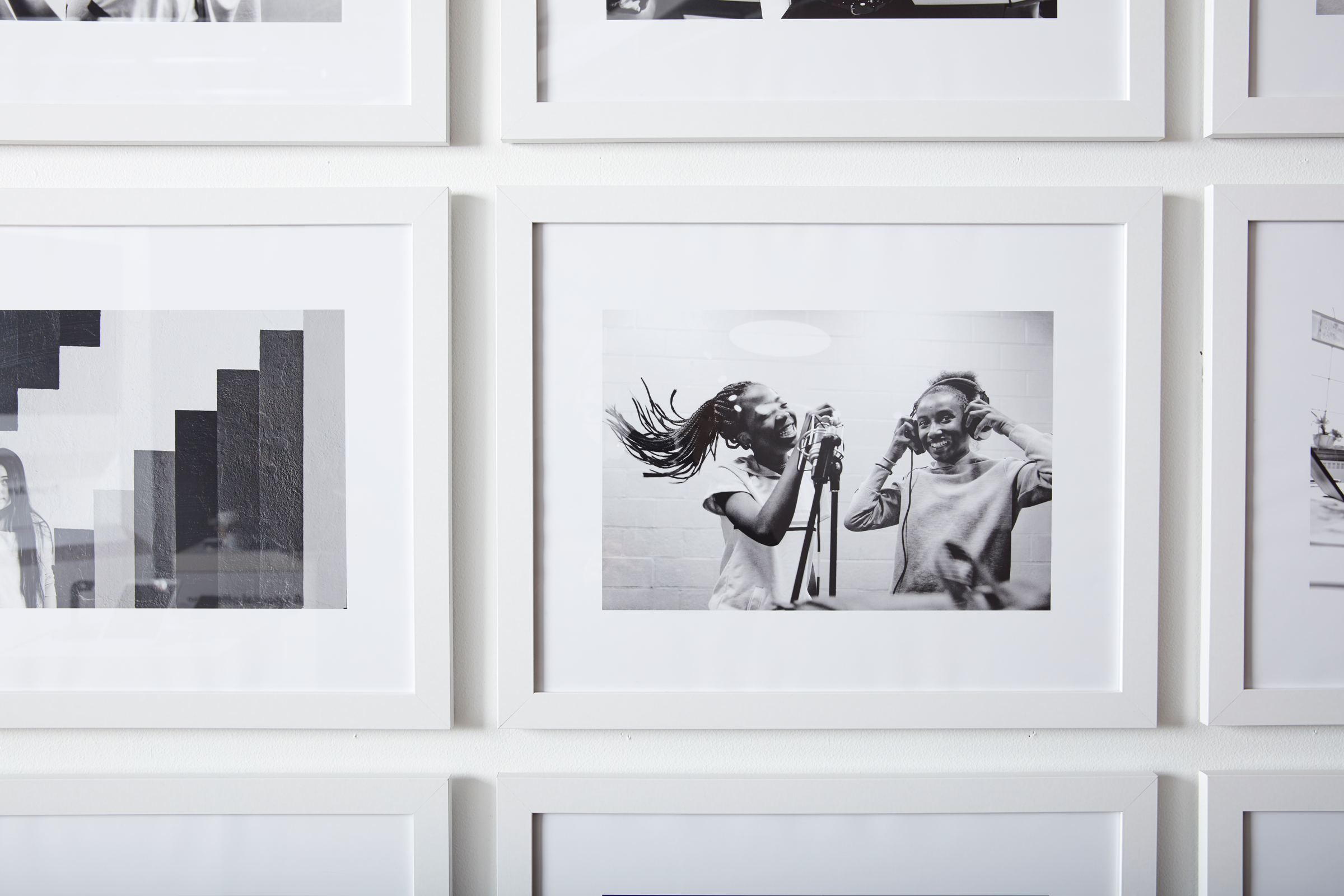
The work connects social responsibility to a clear mission to close the digital divide. Calm, poetic photography documents the lives of real students, with stories appearing in retail spaces and extending into a publication that follows their growth and achievements. The program builds confidence and curiosity while supporting learning across robotics, 3D printing, engineering, coding, artificial intelligence, and AR and VR. Research shows stronger engagement in school, particularly in communities where most students qualify for reduced lunch.
Studio: Verizon; Chief Marketing Officer: Diego Scotti; Chief Creative Officer: Andrew McKechnie; Creative Director: Derek Love; Designers: Sara Cykiert, Sung Mun, Melissa Yu; Typeface: Neue Haas Grotesk; Year: 2019.
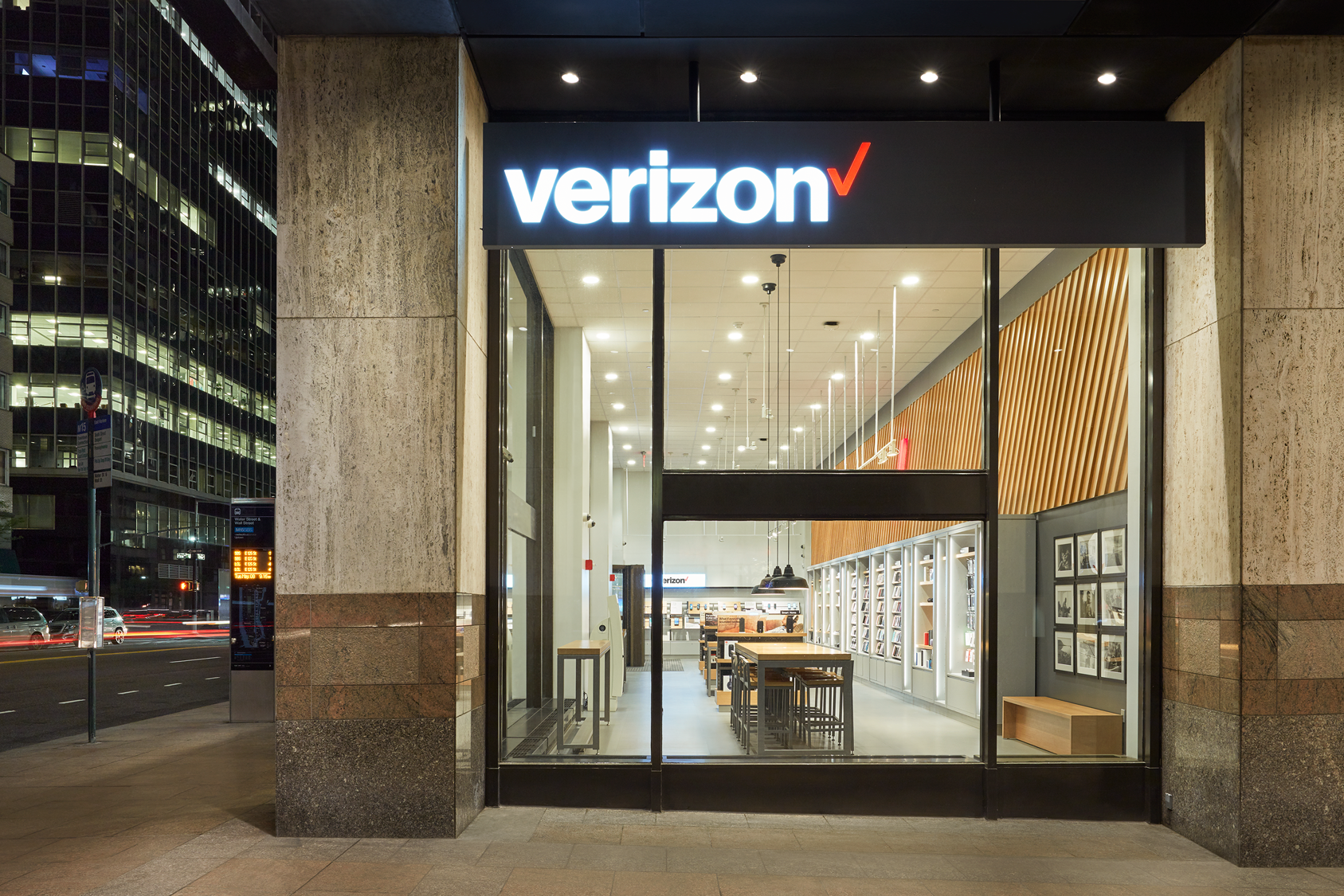
Spatial design, environmental branding, and wayfinding for a simplified retail experience following Verizon’s 2015 brand refresh.
As the sixth largest retailer in the United States, the company needed a setting that made technology feel more human and approachable. The concept borrowed the quiet order of a bookstore to create a browsing friendly environment. Phones were presented like magazines, with categories shifting from specs to lifestyle needs. Wood and sustainable materials grounded the space, while the layout encouraged wandering and discovery. The experience placed clarity before spectacle and moved the store toward something calmer and easier to navigate.
Studio: Verizon; Chief Marketing Officer: Diego Scotti; Senior Director: Kambiz Hemati; Creative Directors: Ric Edwards, Derek Love; Typeface: Neue Haas Grotesk; Years: 2017 to 2018.
Before joining Verizon, Derek worked at Pentagram, leading branding projects across fashion, technology, and cultural institutions. His work combined strategic clarity with distinctive design to create identities that stand out and endure.
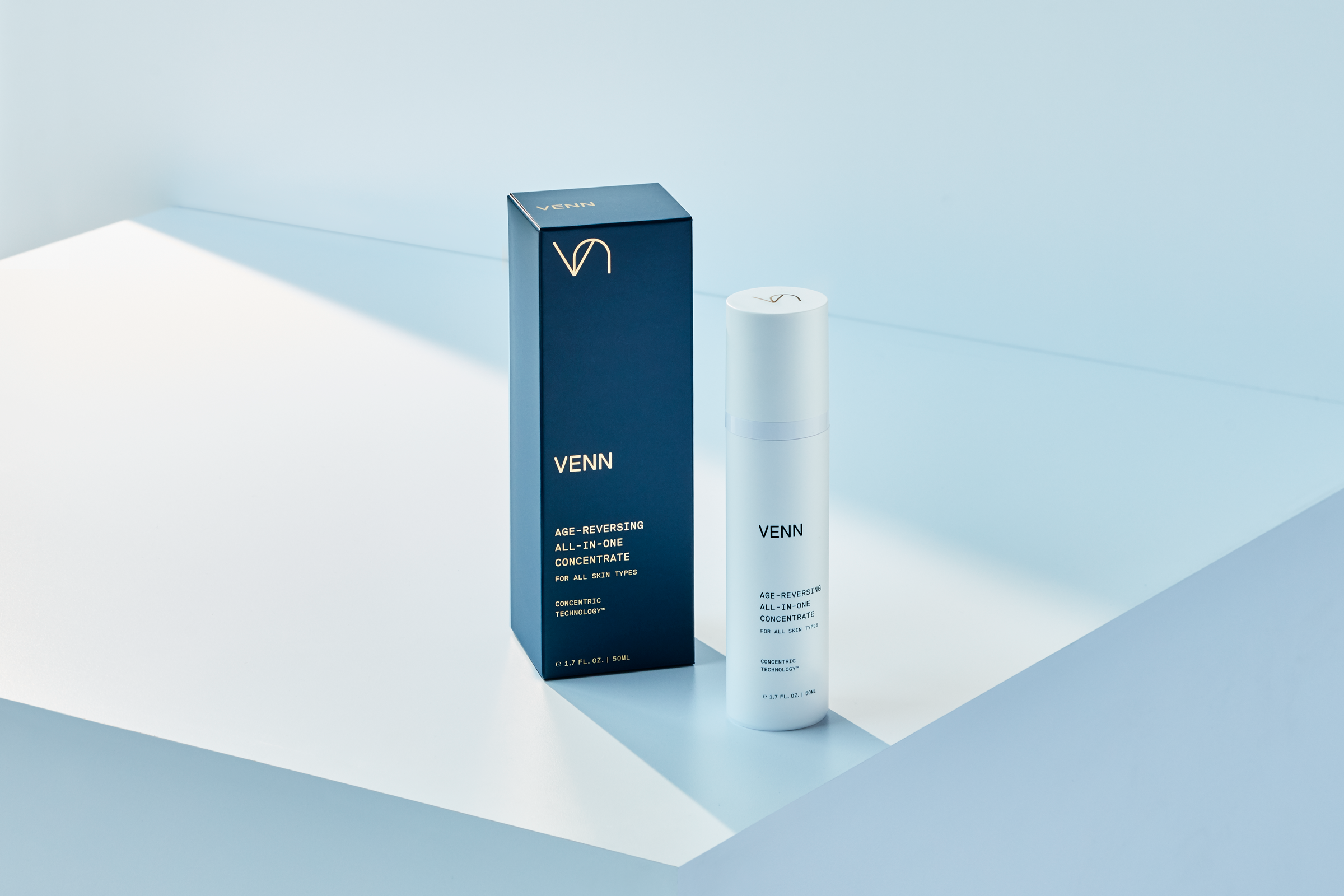
Brand identity, packaging, and website for a company simplifying the daily skincare routine.
Venn set out to reduce the time and complexity built into most regimens. While at Pentagram, I helped define the strategy, name the company, and build a brand that feels scientific and calm. The identity balances precision with warmth. Forms are simple. Color and type work together. The system mirrors the product itself: efficient, streamlined, and focused on what matters. Clinical trials validated the formula, and the response was immediate. Everything sold out ahead of the Fall 2017 launch.
Client: Venn; Studio: Pentagram; Partner-in-charge: Natasha Jen; Art Director: Joseph Han; Design: Derek Love, Ran Zen; Strategy, Naming: Ilan Beesen; Typeface: Replica Mono; Year: 2017.
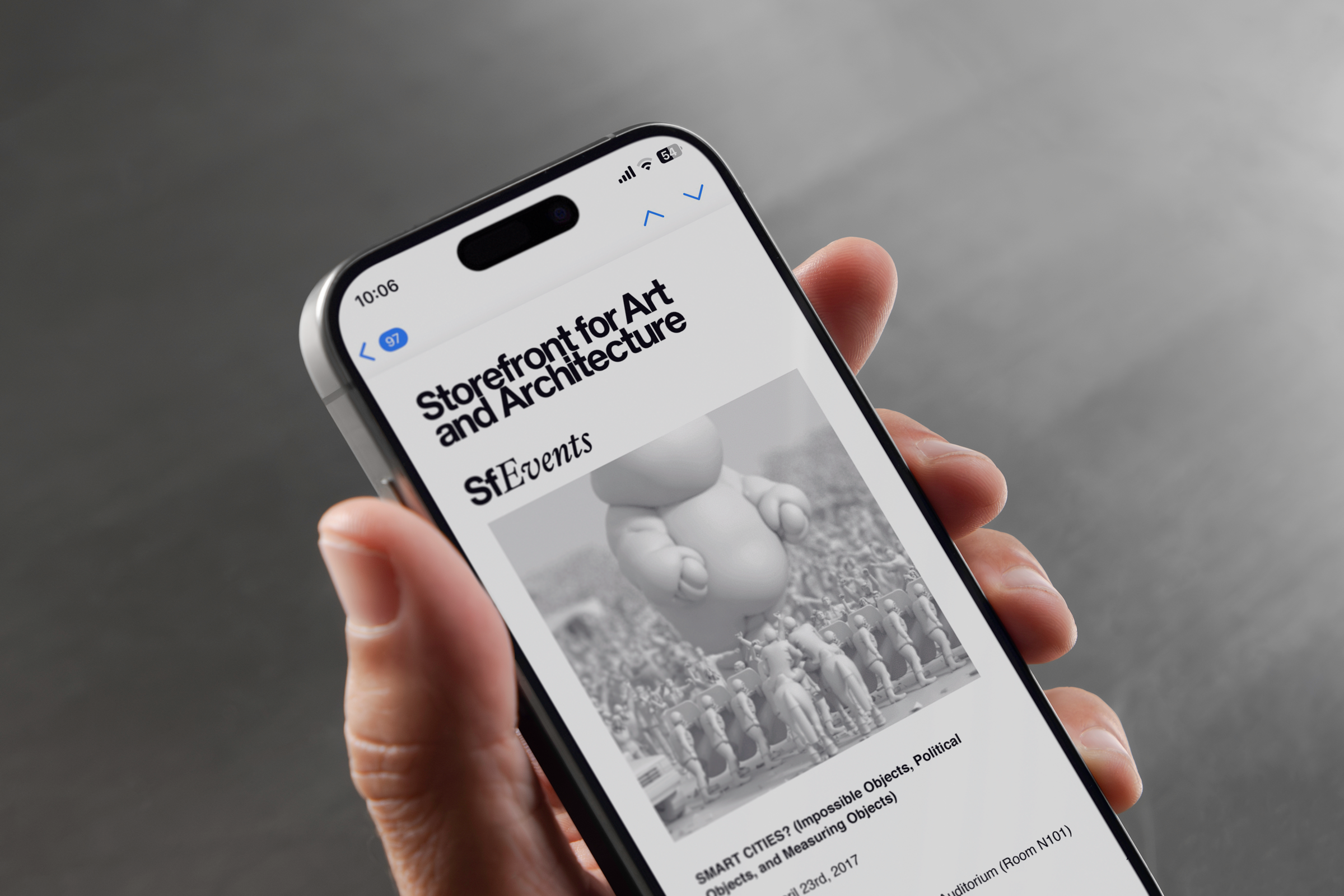
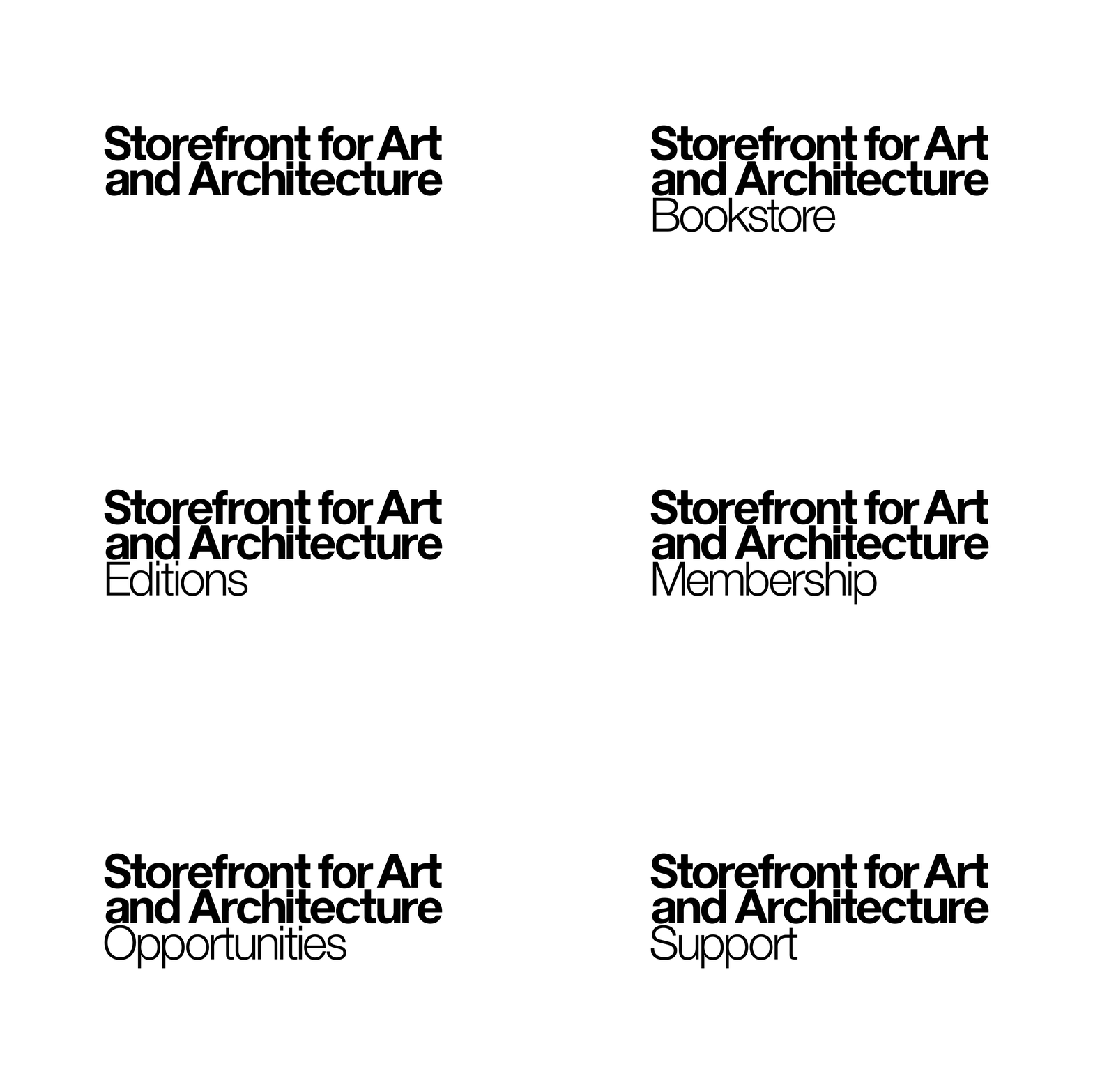
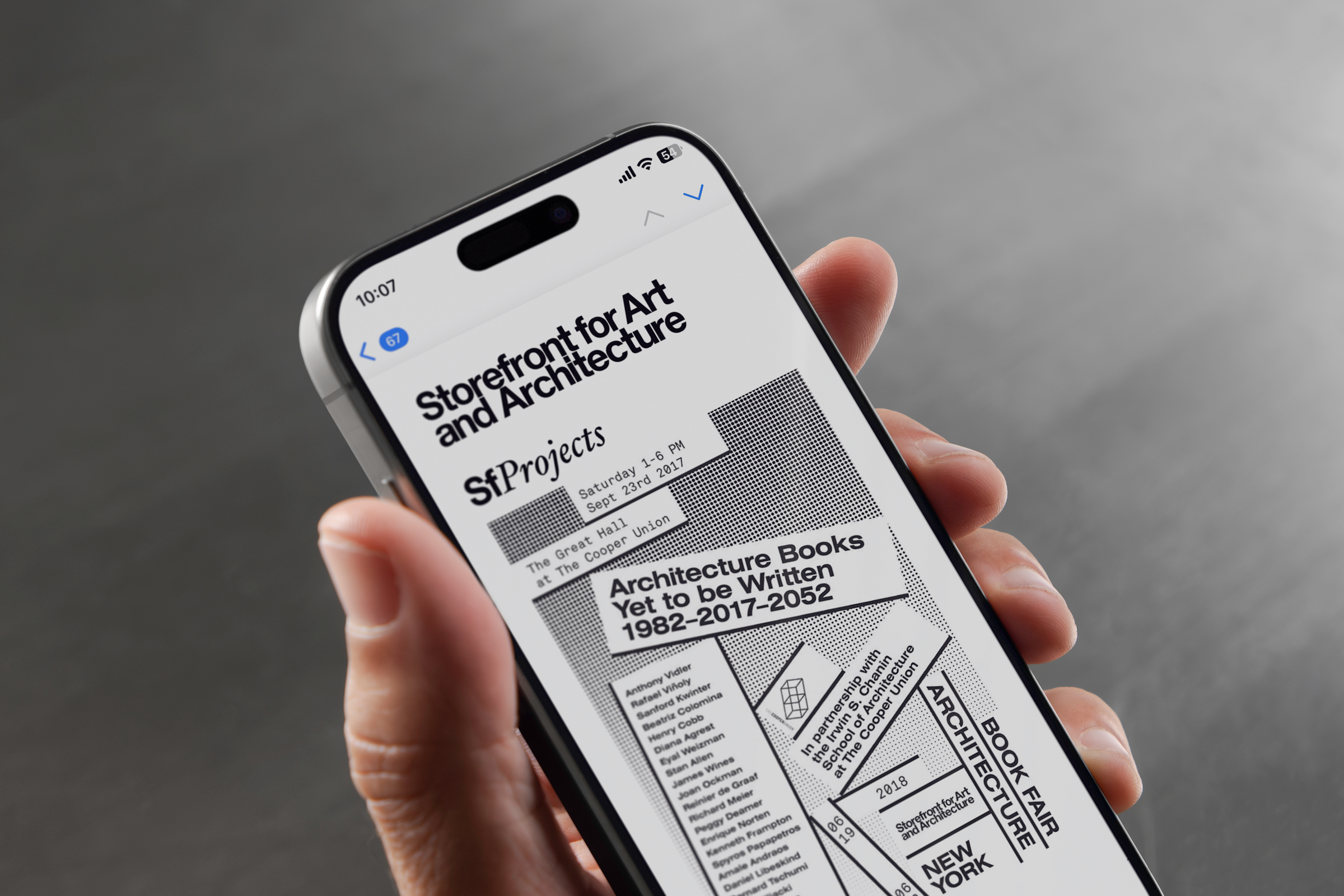
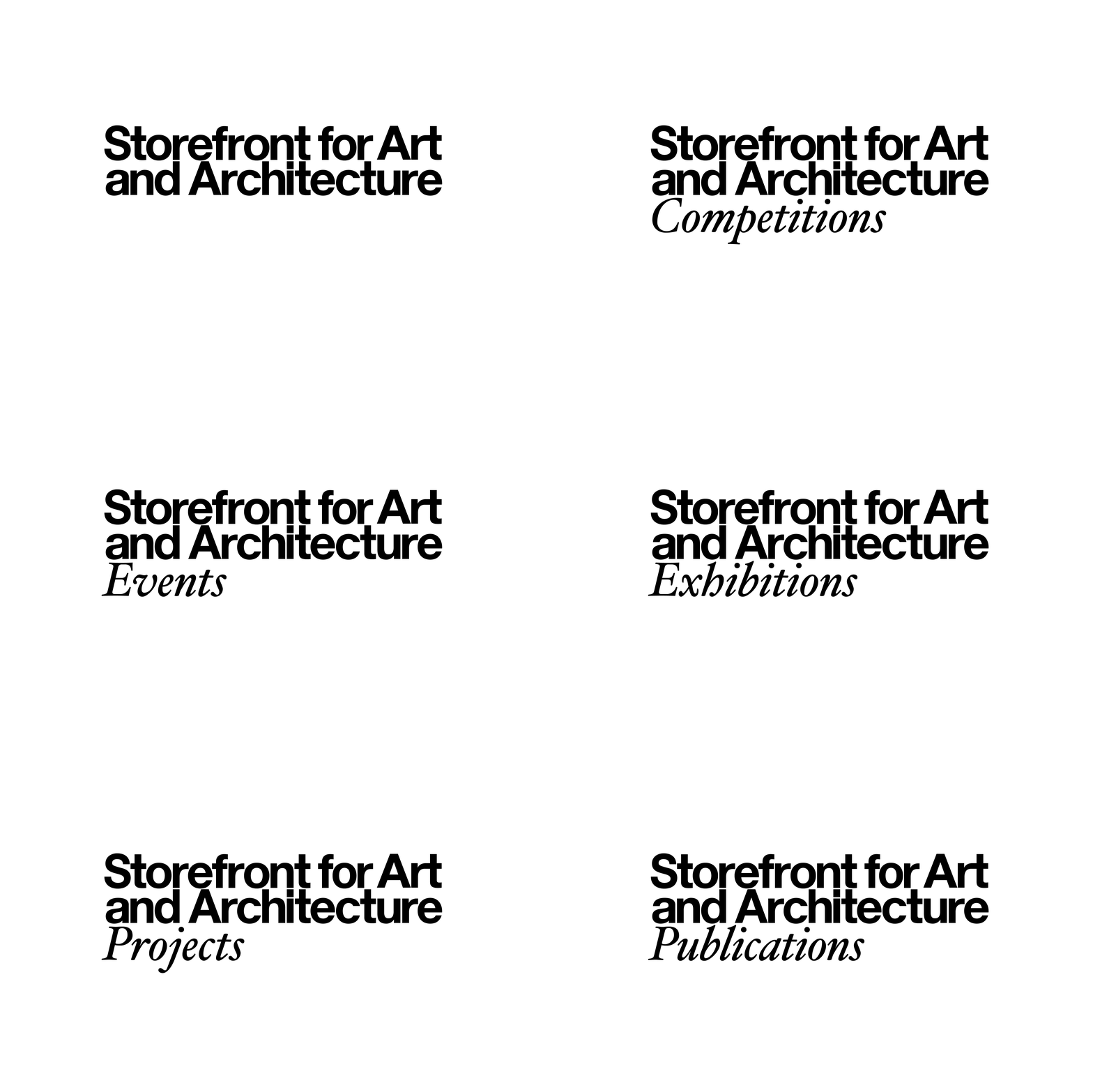
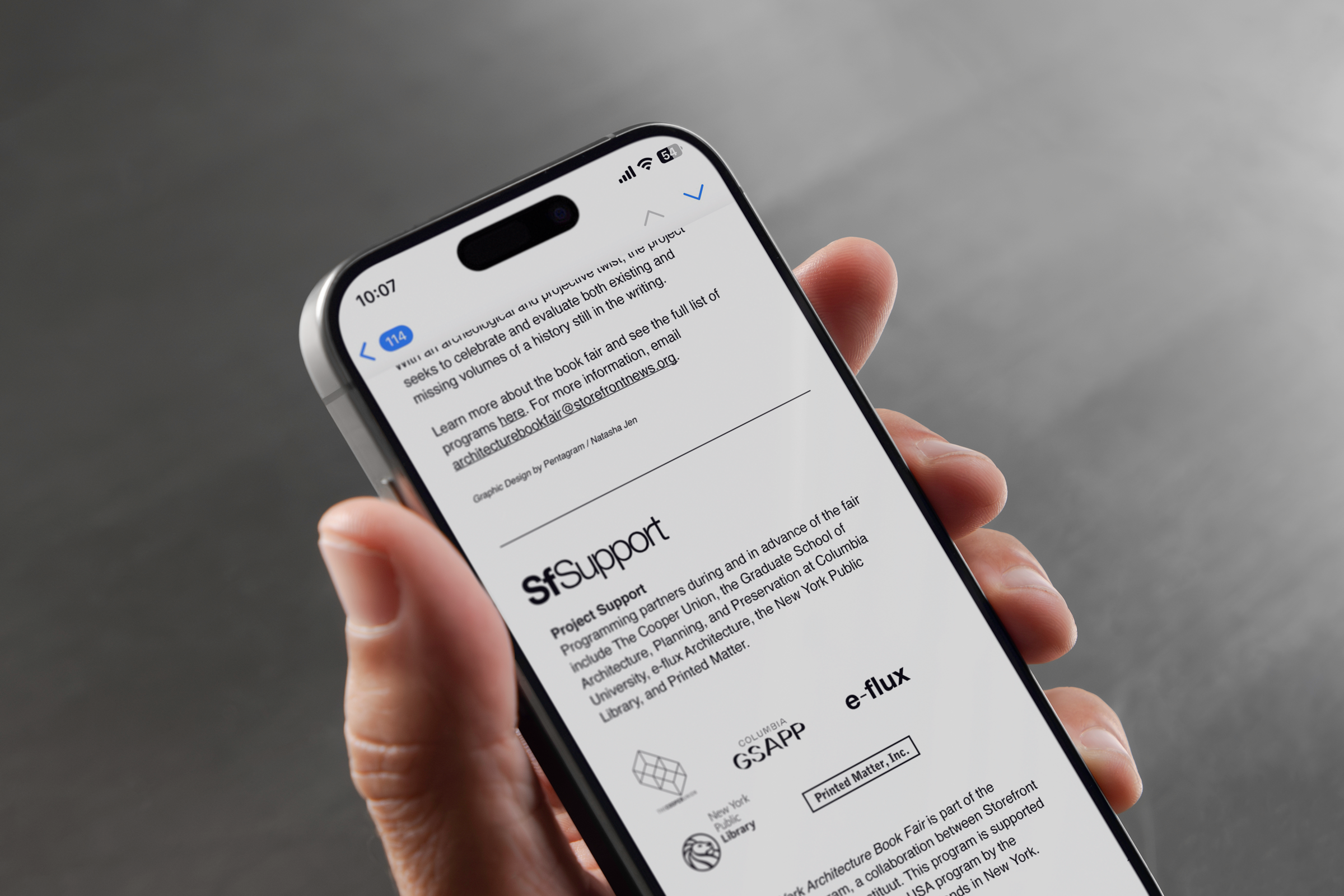
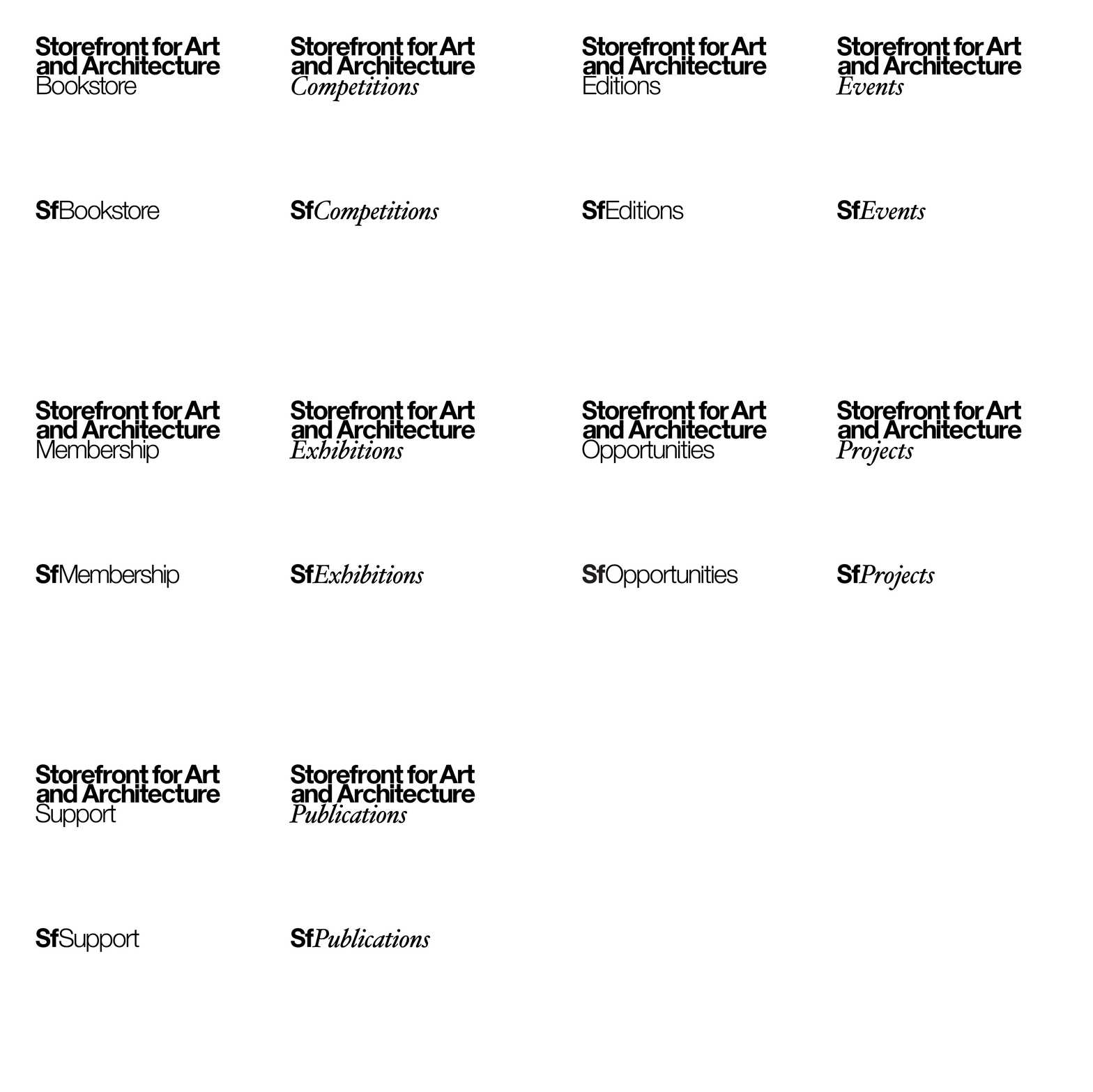
Nomenclature design for a platform that supports architectural discourse.
Storefront has produced events, publications, and initiatives since 1982, resulting in a wide range of outputs and growing visual noise. While at Pentagram, I worked with the team to bring order to the system by defining two clear channels. Ongoing, utilitarian offerings like the bookstore use a sans serif voice. Time based initiatives like exhibitions use a serif voice. The structure is simple and direct, giving each activity its own identity while maintaining a clear relationship to the whole.
Client: Storefront for Art and Architecture; Studio: Pentagram; Partner-in-charge: Natasha Jen; Designer, Copywriter: Derek Love; Typefaces: Helvetica, Hoefler Text; Year: 2017.
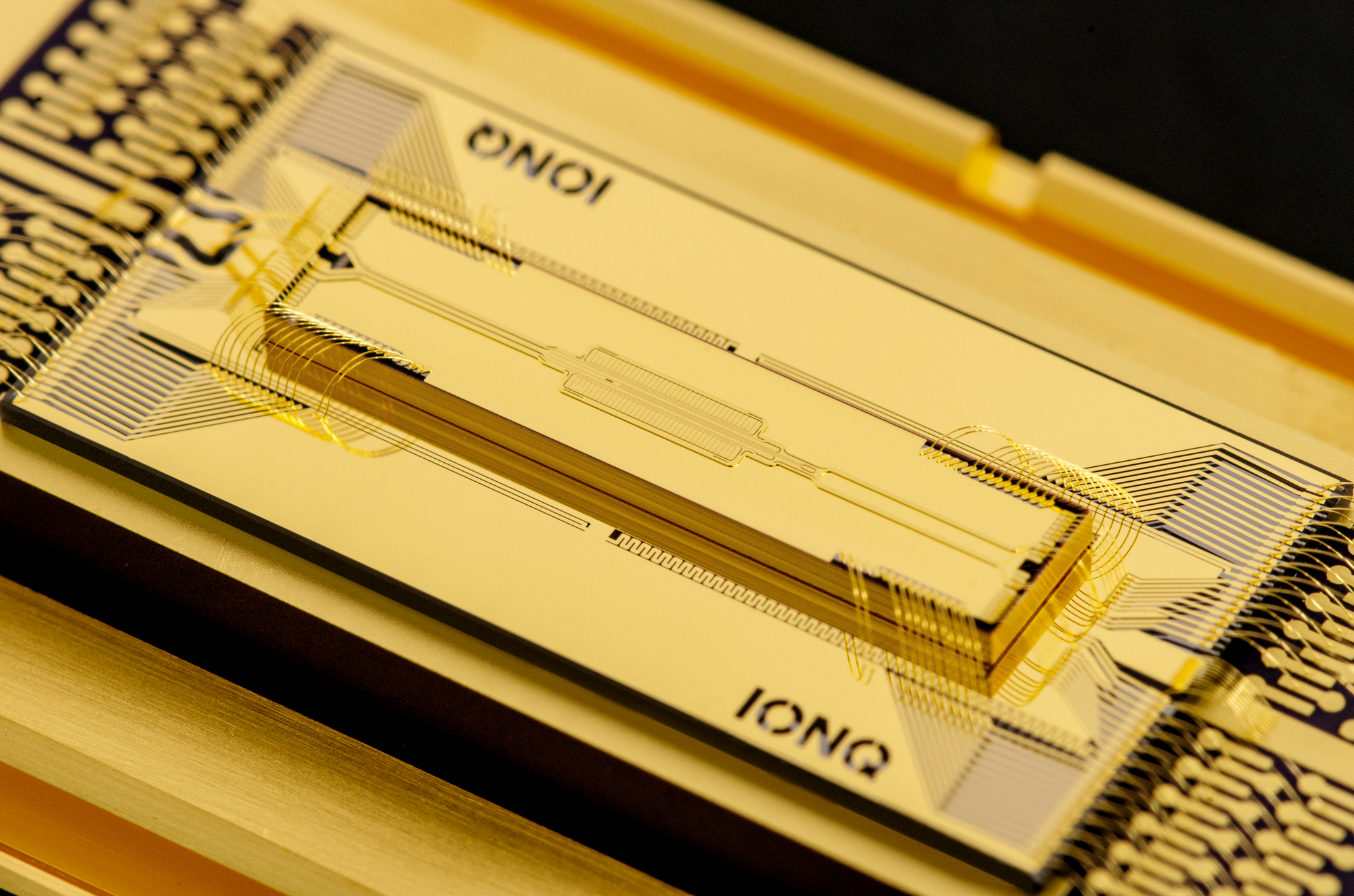
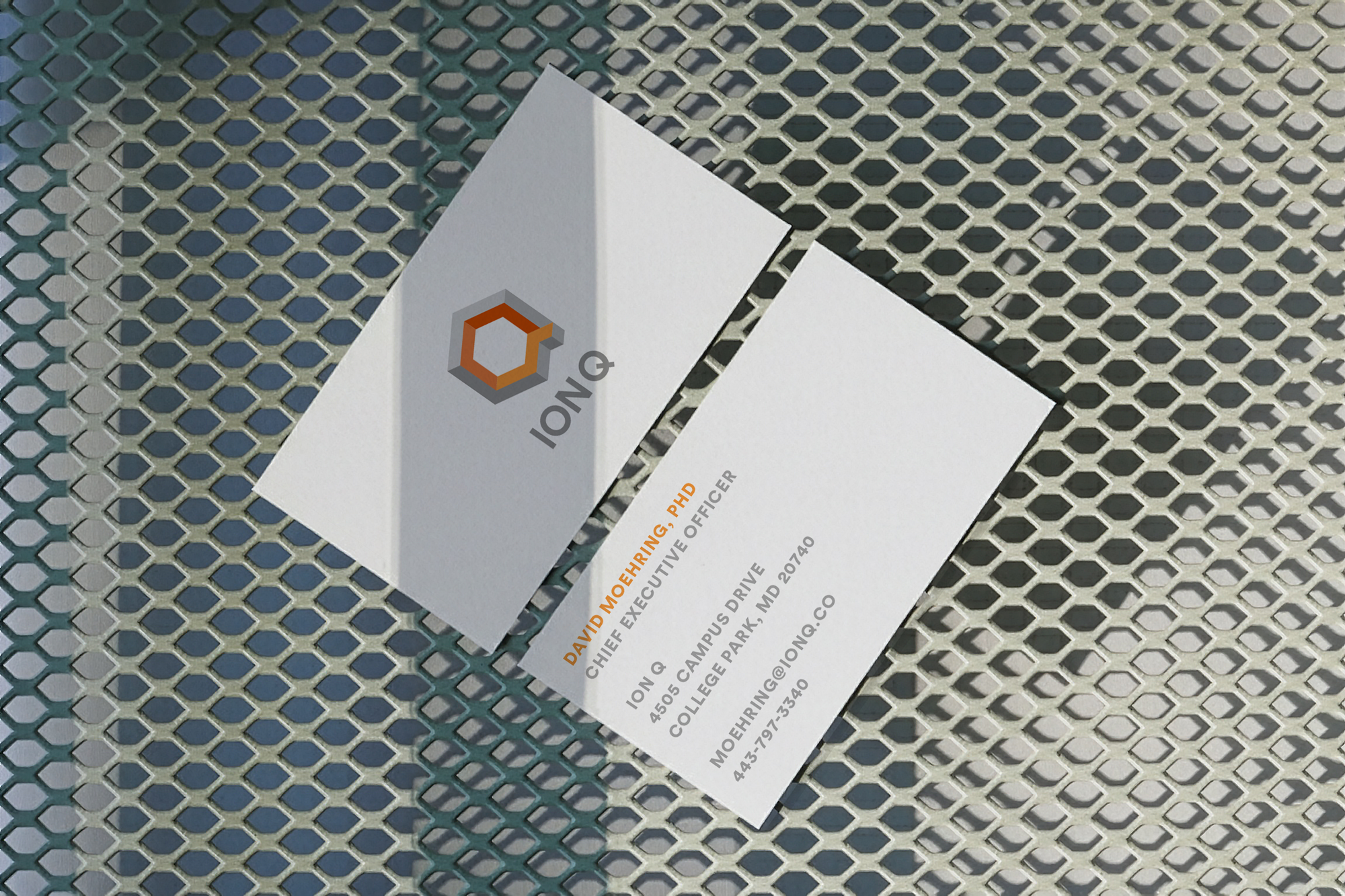
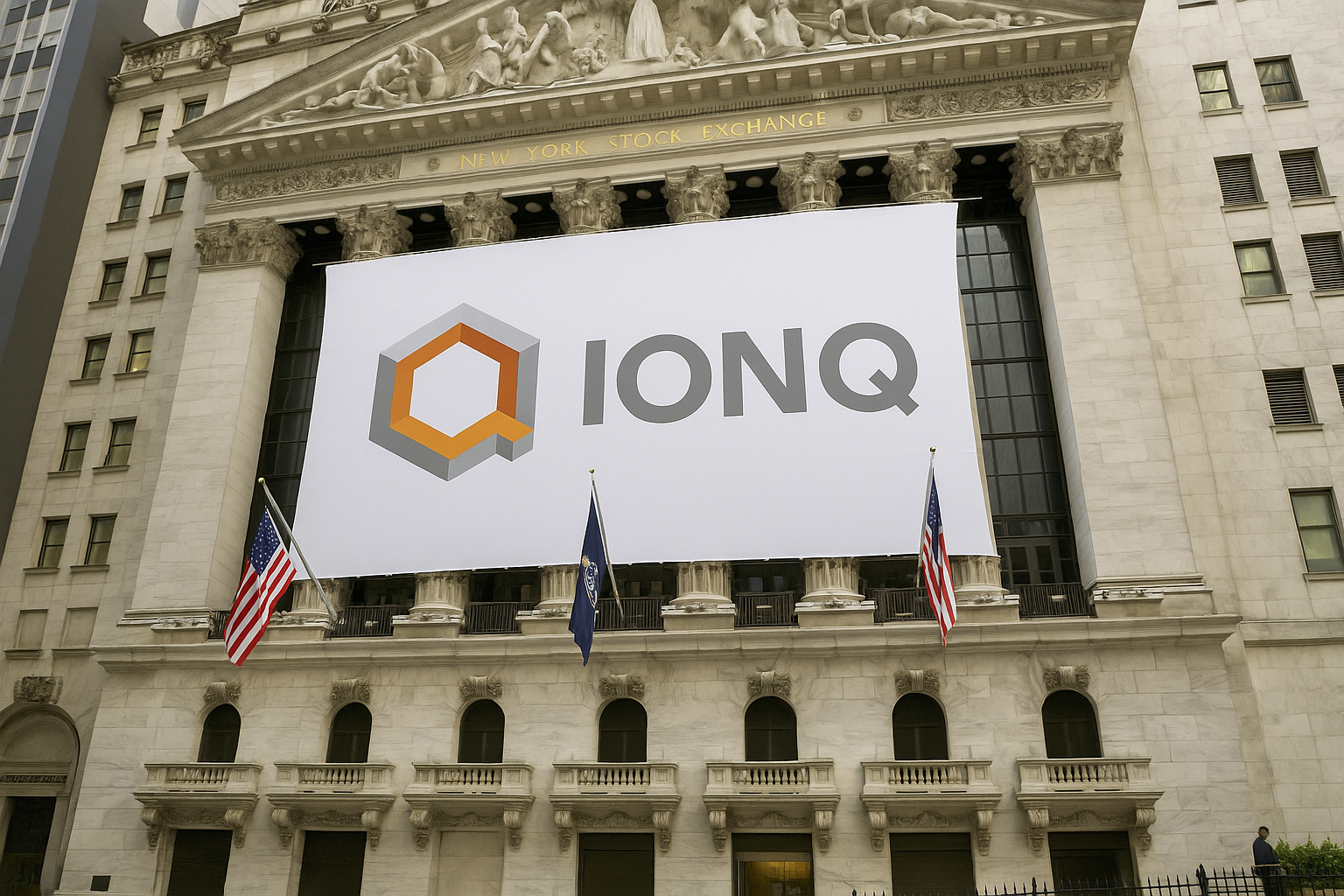
Visual identity and website for a quantum computing start up.
IonQ works beyond the limits of classical computing through a trapped ion approach that enables new forms of calculation. While at Pentagram, I helped create a visual language that mirrors this method with clarity and restraint. The system stays simple and structural, avoiding illustration in favor of precision. Typography remains clean. The tone is measured. The identity establishes a distinct presence for IonQ within a field often defined by abstraction and complexity.
Client: IonQ; Studio: Pentagram; Partner-in-charge: Natasha Jen; Designers: Derek Love, Ji Park, Ran Zen; Image courtesy of IonQ; Typeface: Circular; Year: 2017.
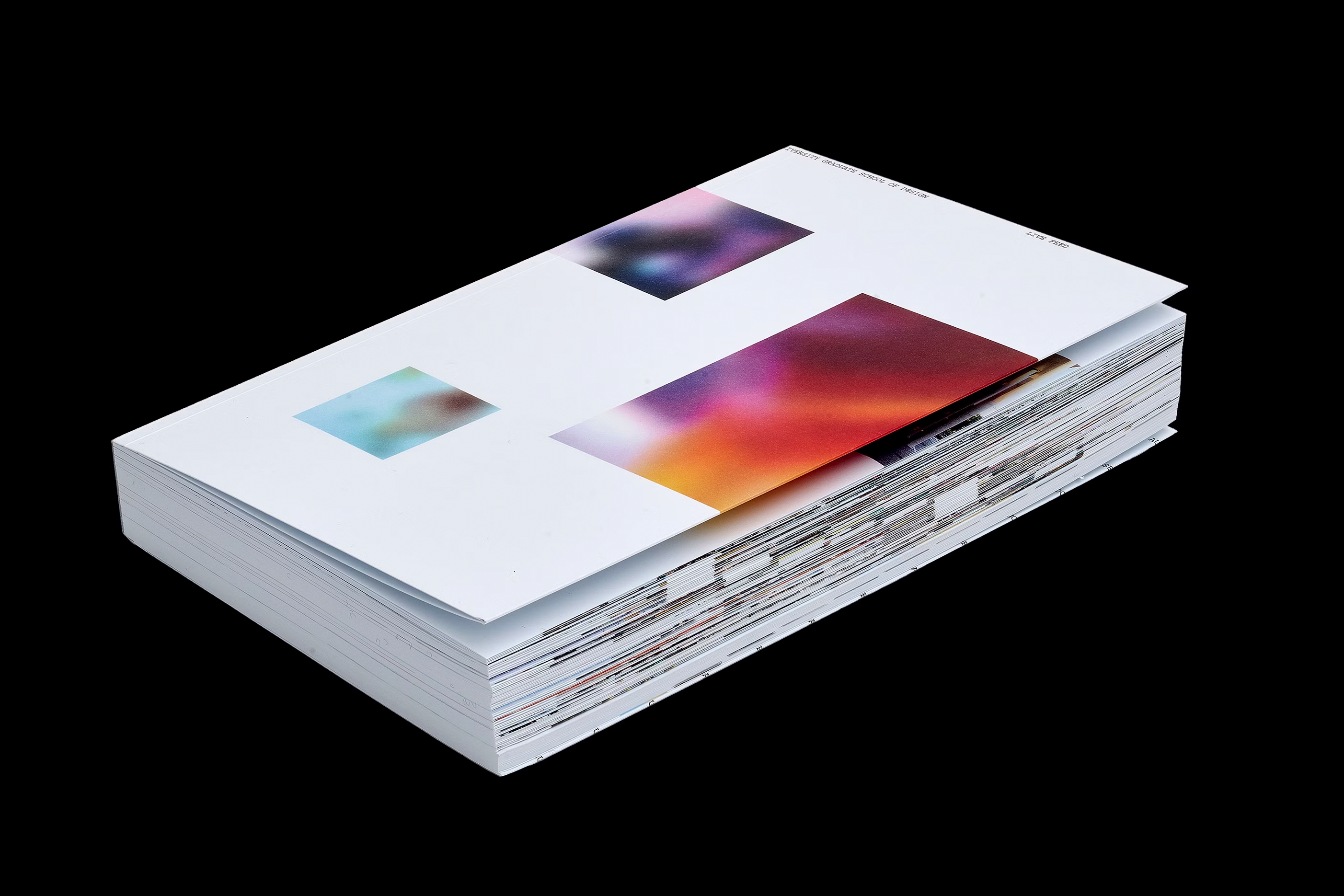
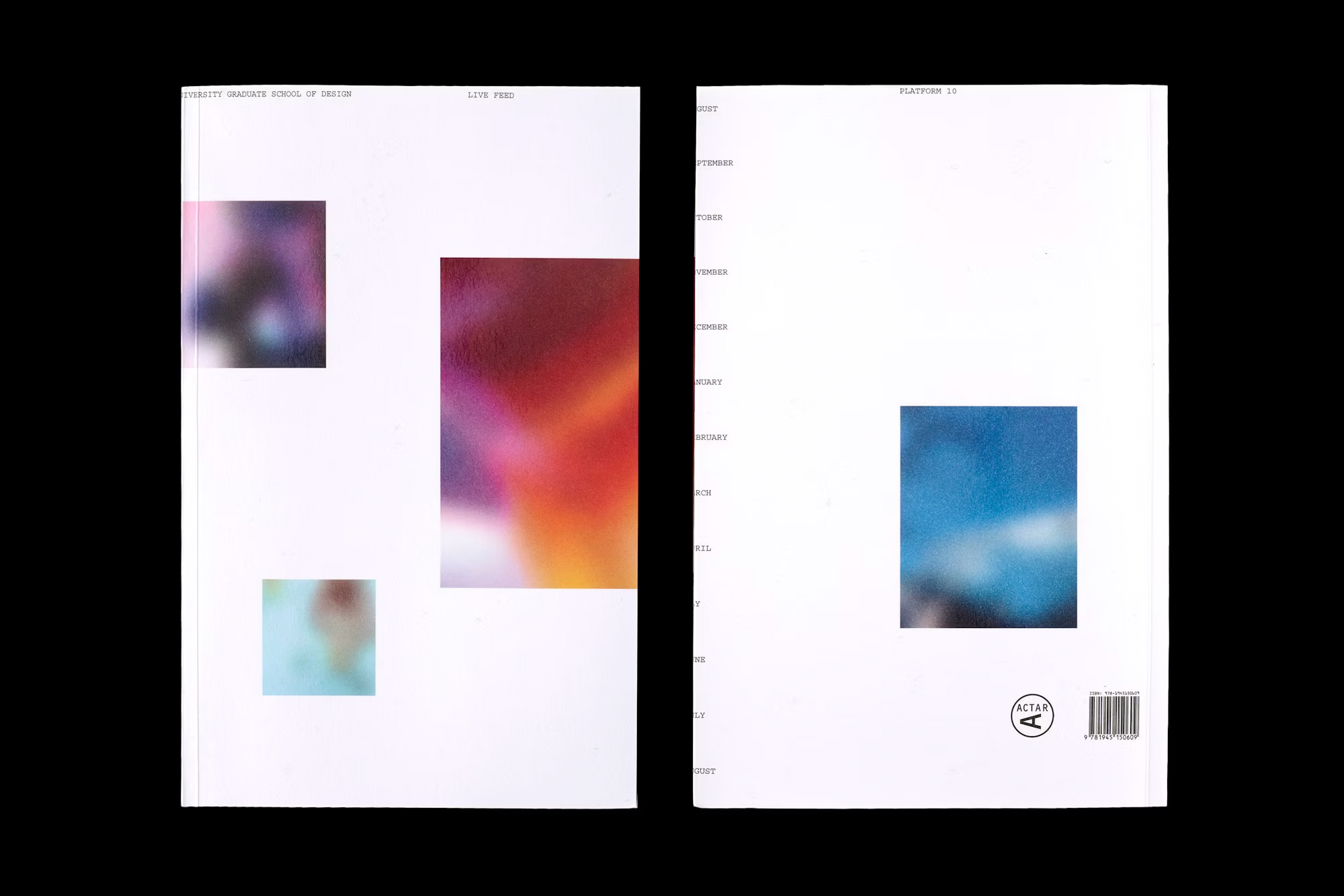
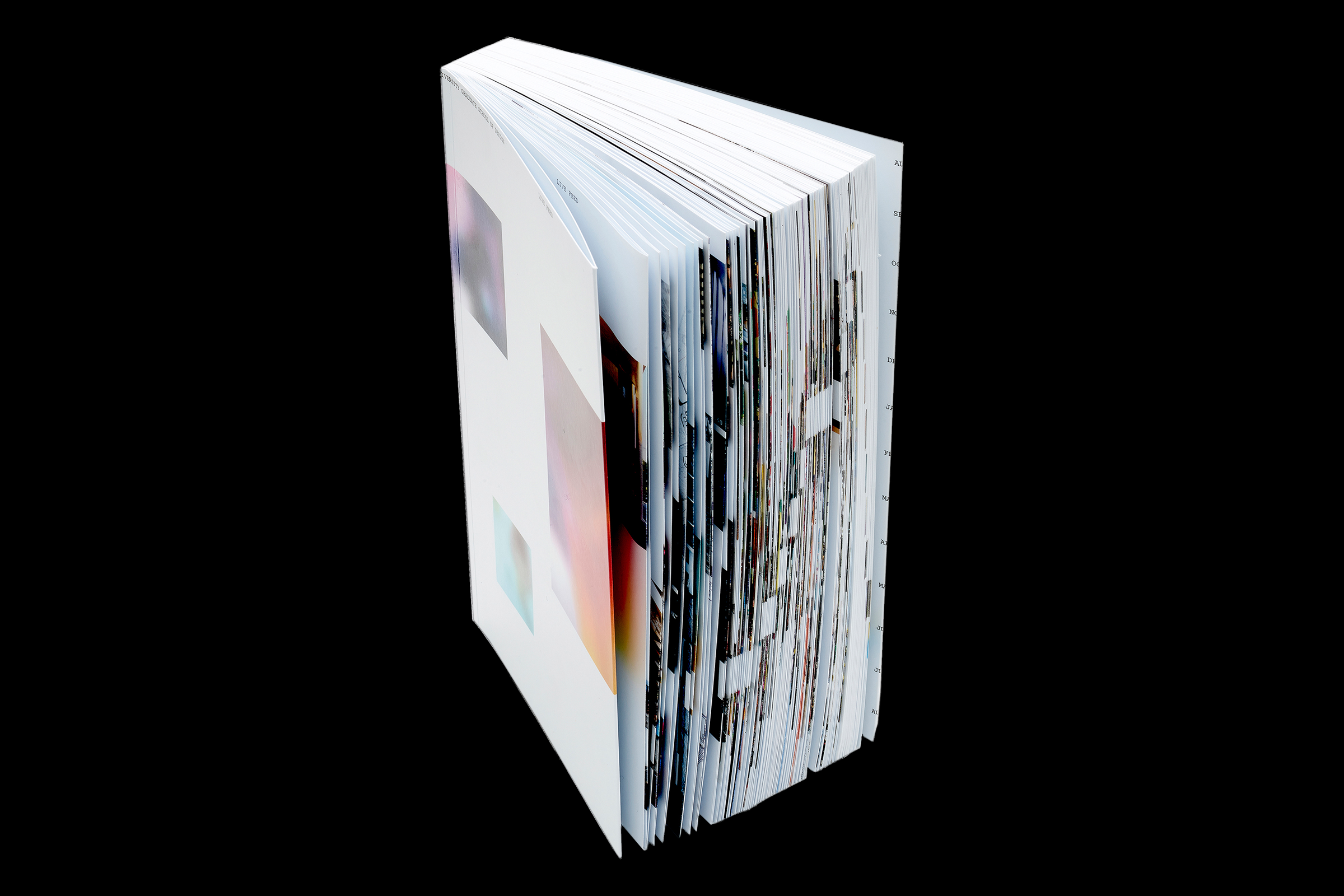
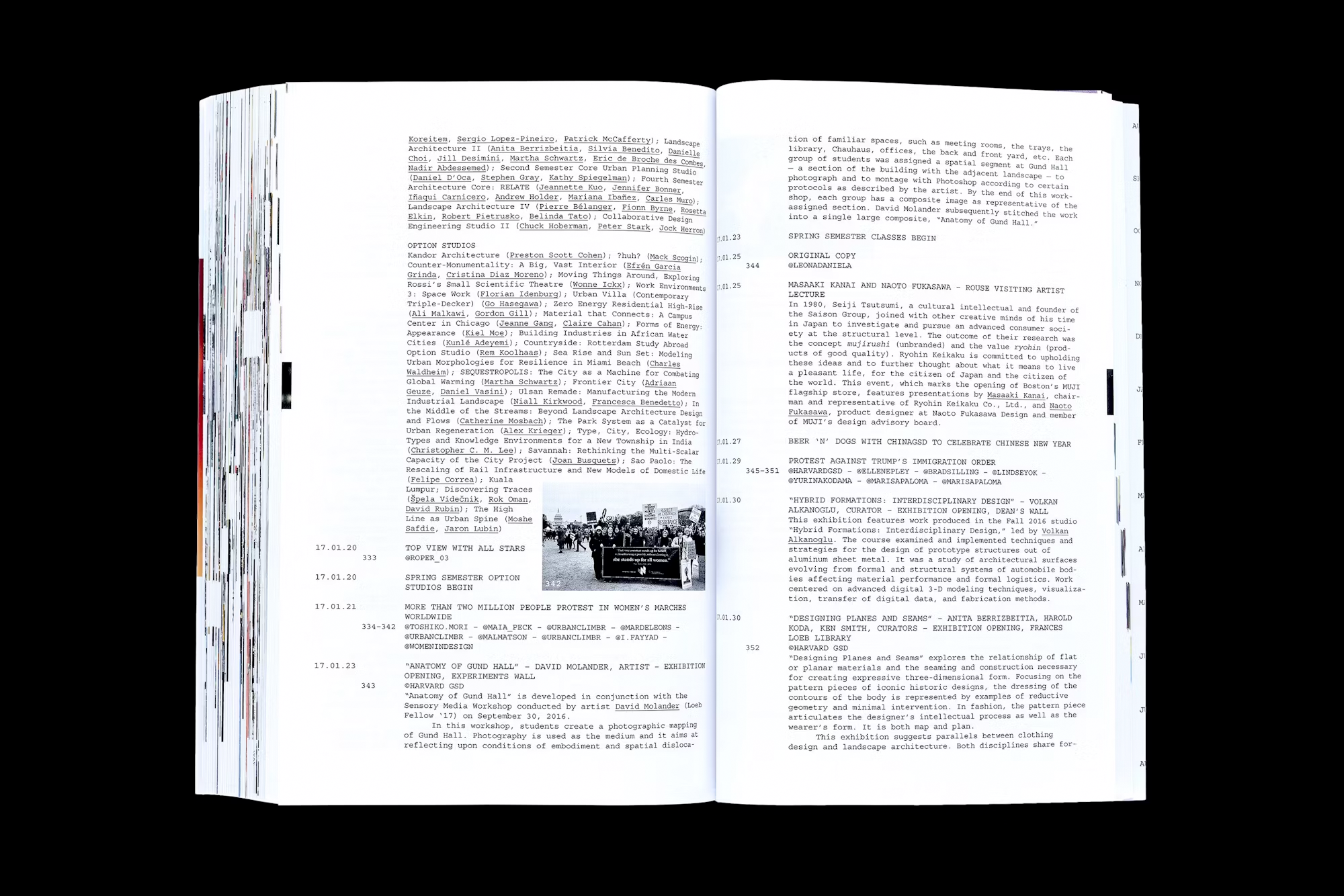
Publication design for a graduate school that gives students a clear and active platform.
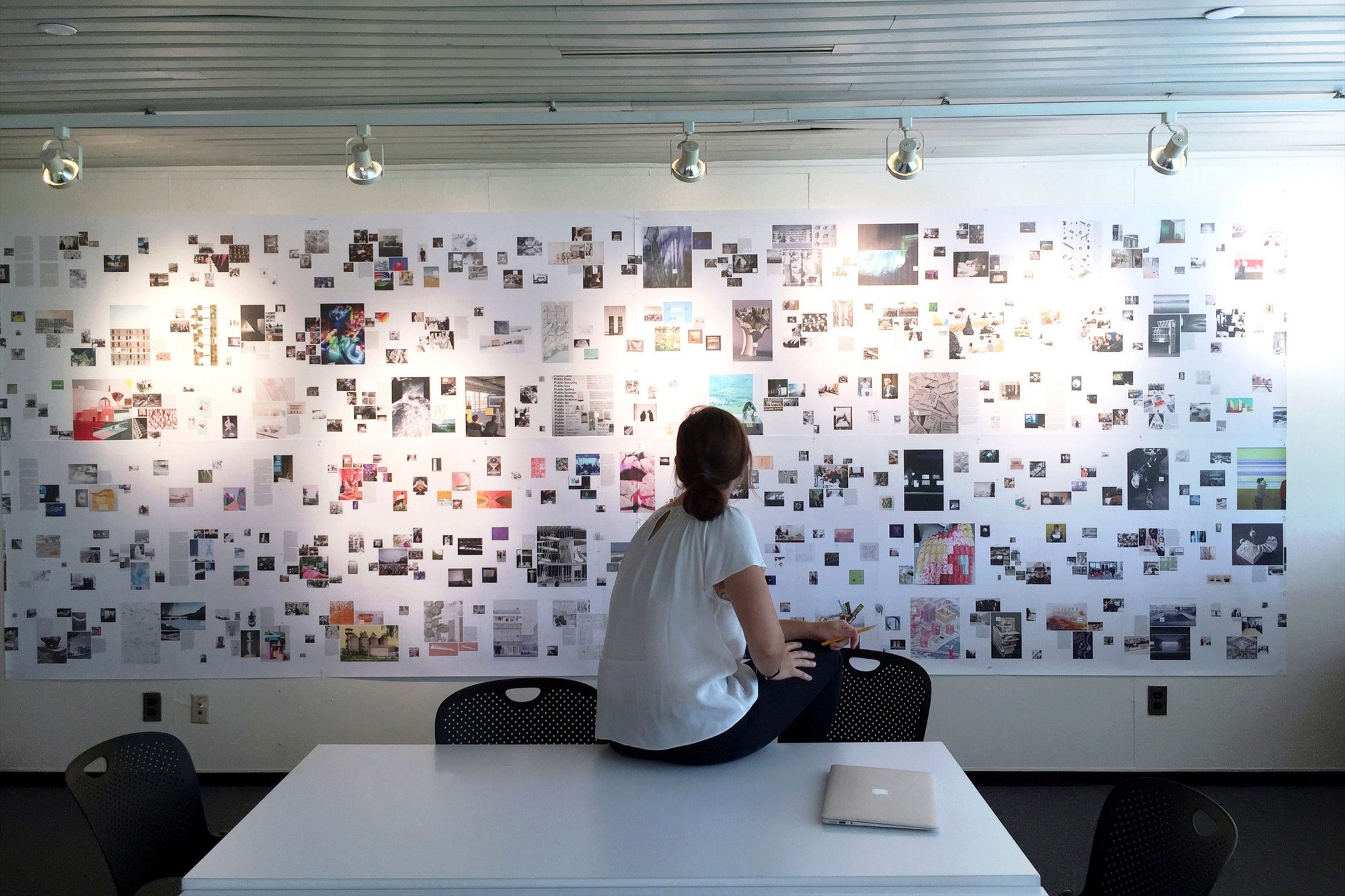
Each year the Harvard GSD releases Platform, a book that gathers student work, events, lectures, and exhibitions. While at Pentagram, I worked with the student editorial team to define a simple idea. The book functions like a live feed. The sequence runs in reverse, starting at the end of the academic year and moving back to the beginning. Images break standard boundaries. Page numbers fall away. The sequence itself becomes the structure, keeping the focus on the work and reflecting the pace and energy of the school.
Client: Harvard Graduate School of Design; Studio: Pentagram; Partner-in-charge: Natasha Jen; Art director: Joseph Han; Designer, Researcher: Derek Love; Design: Ji Park; Typeface: Courier; Year: 2017.
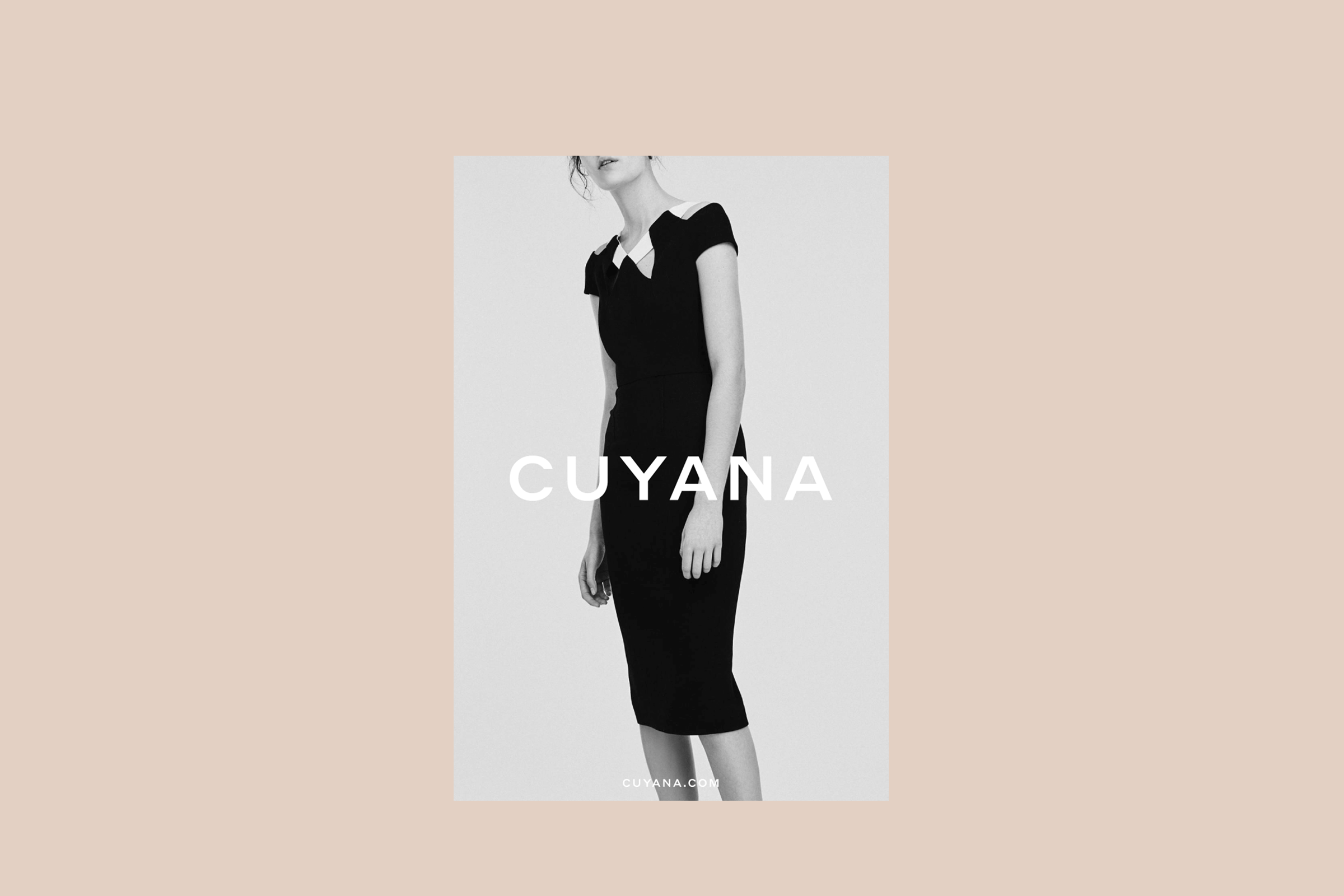
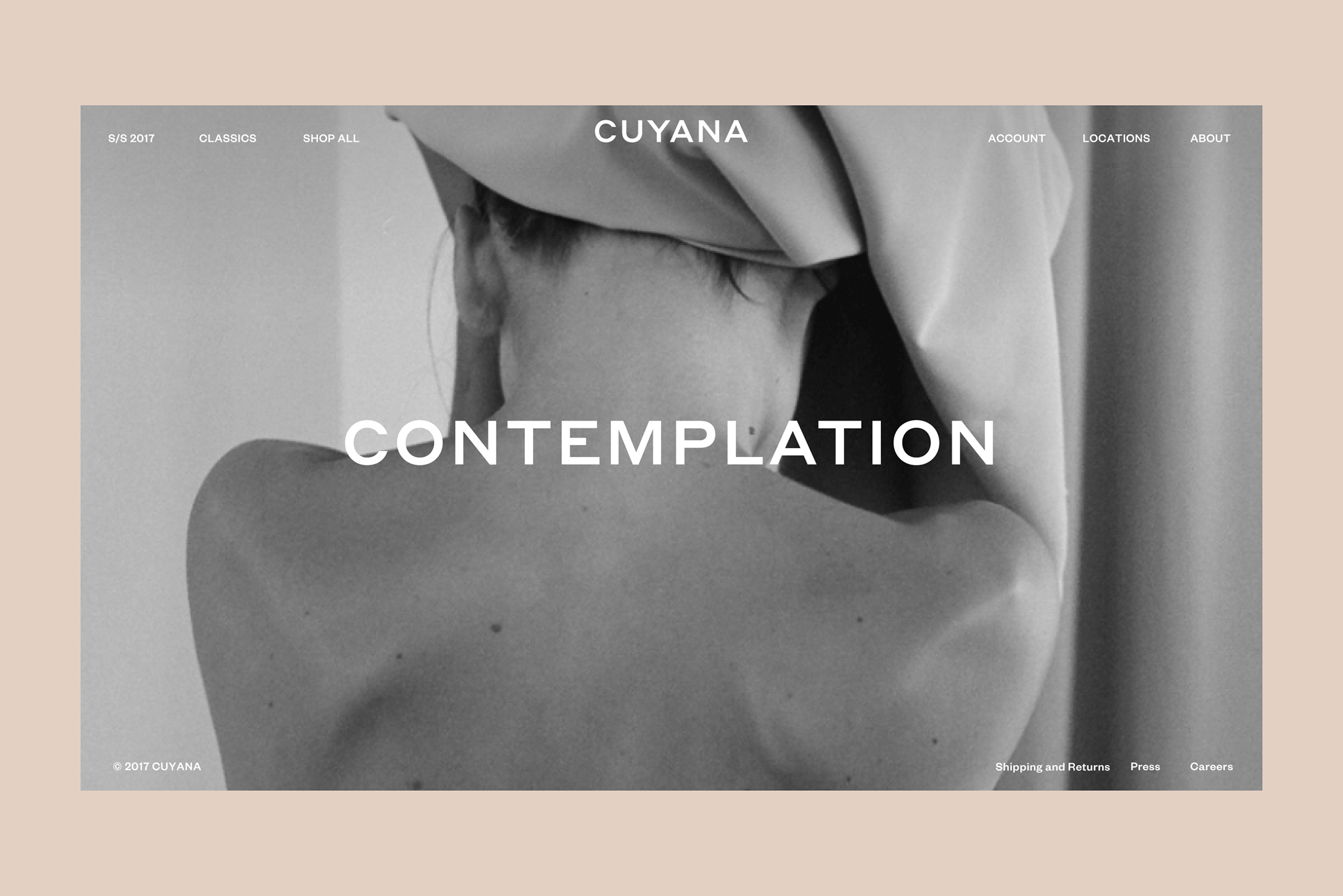
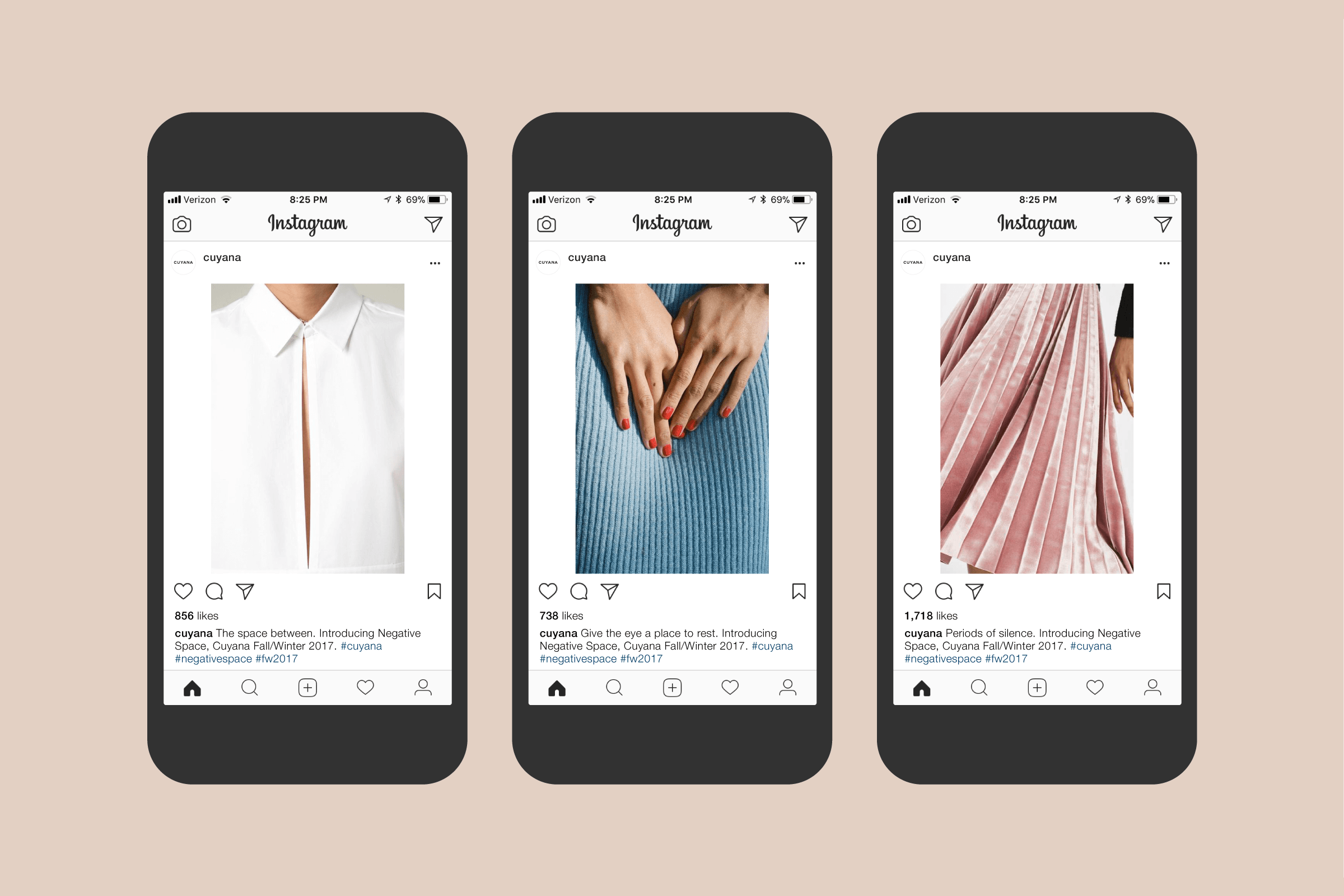
Brand identity, verbal design, packaging, and social for a fashion label focused on reducing waste.
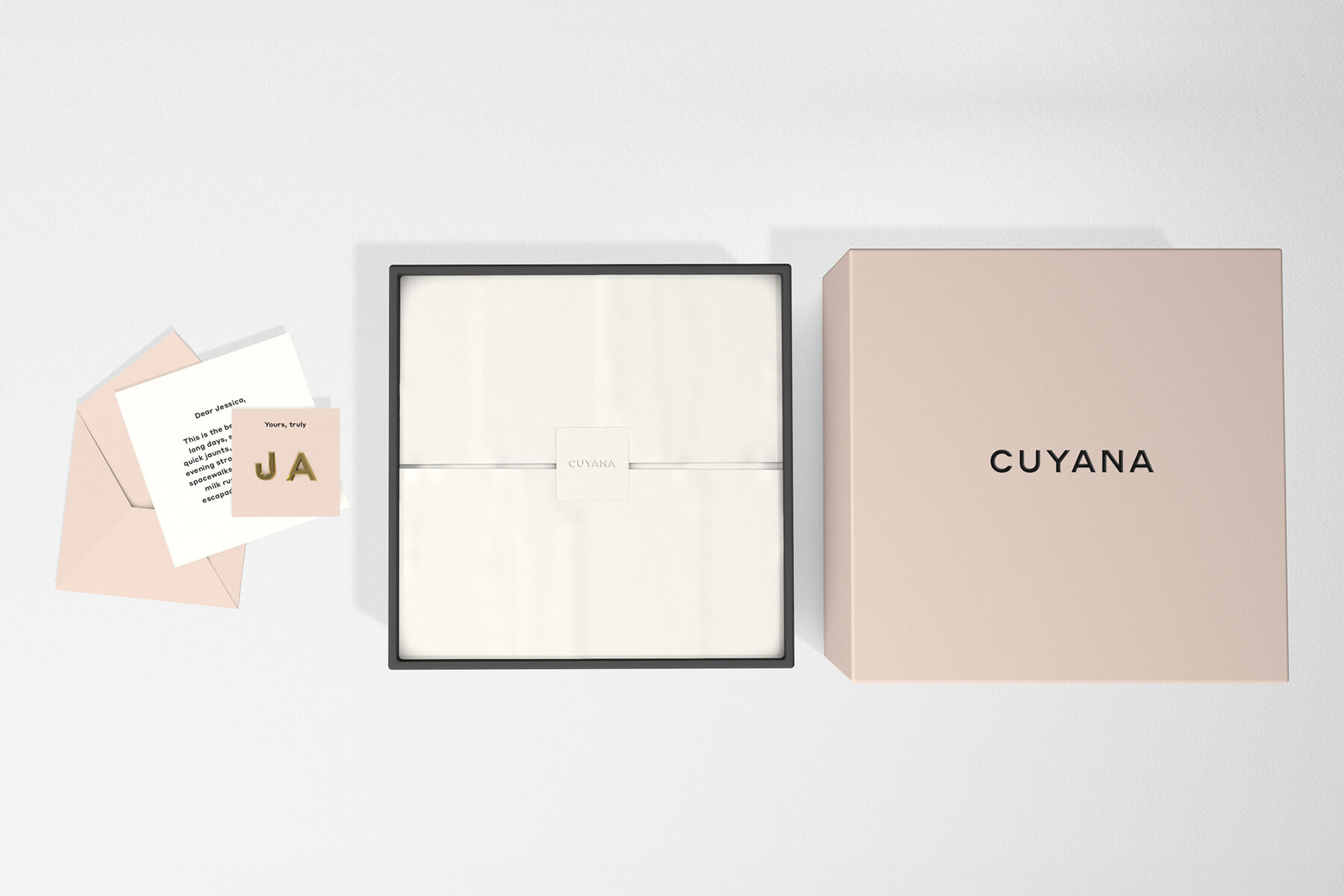
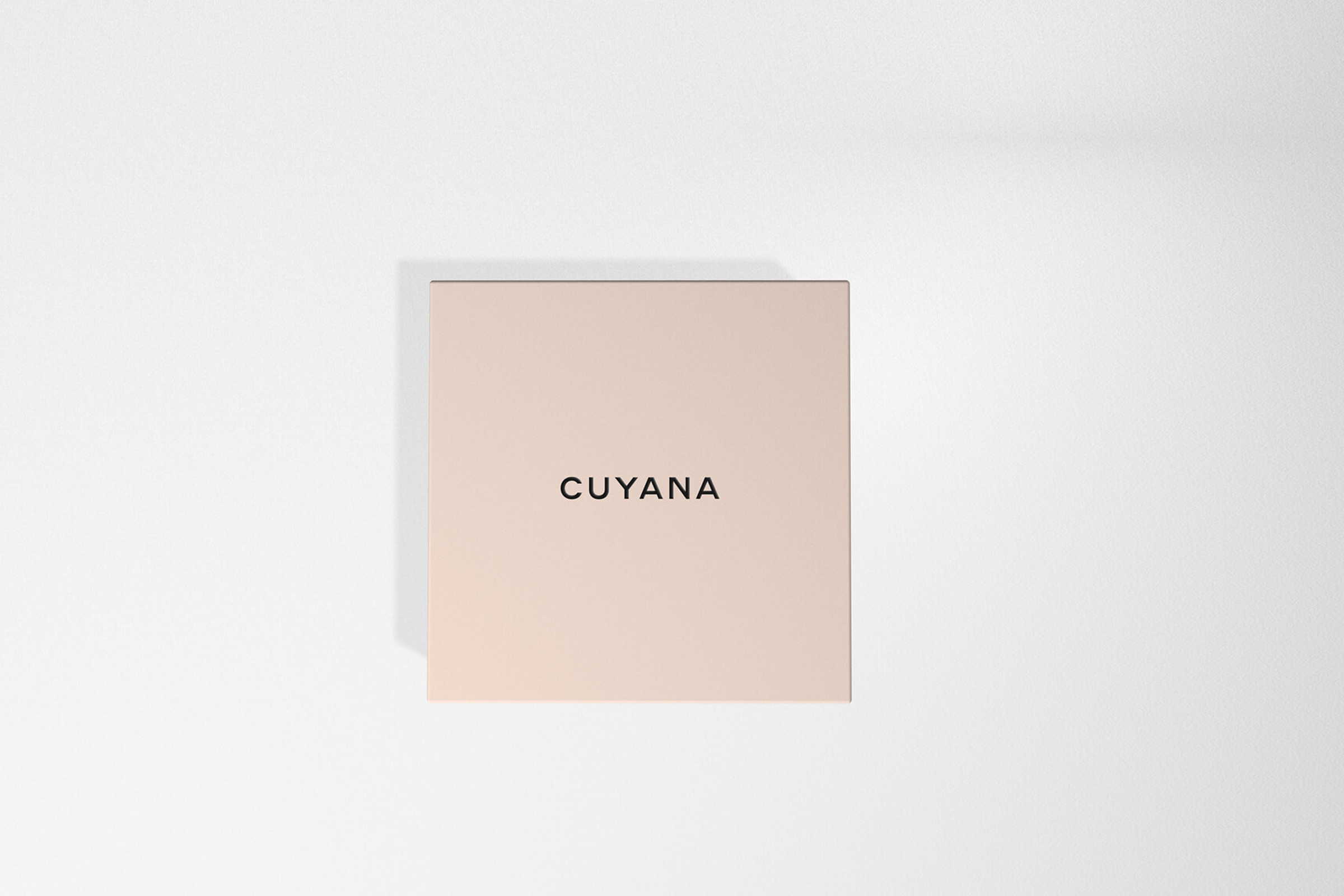
Cuyana offers a quieter alternative to the fashion industry’s cycle of excess through a simple belief: fewer, better things. While at Pentagram, I studied their materials and competitive landscape to shape a visual and verbal language that supports this idea across products, communication, and social channels. The tone is warm and measured. The identity is restrained, with a calm palette and precise typography. Everything is reduced to what is essential, allowing the system to amplify the brand without overpowering it and reflect values of longevity and care.
Client: Cuyana; Studio: Pentagram; Partner-in-charge: Natasha Jen; Art director: Joseph Han; Typography consultant: Berton Hasebe; Designer, Copywriter: Derek Love; Design: Yotam Hadar; Typeface: Styrene; Year: 2017.
Before Pentagram, Derek led Love&Partners, a design practice focused on brand strategy and identity for commercial and cultural clients. The work emphasized cohesion, refinement, and strong concepts, building brands with clarity and purpose.
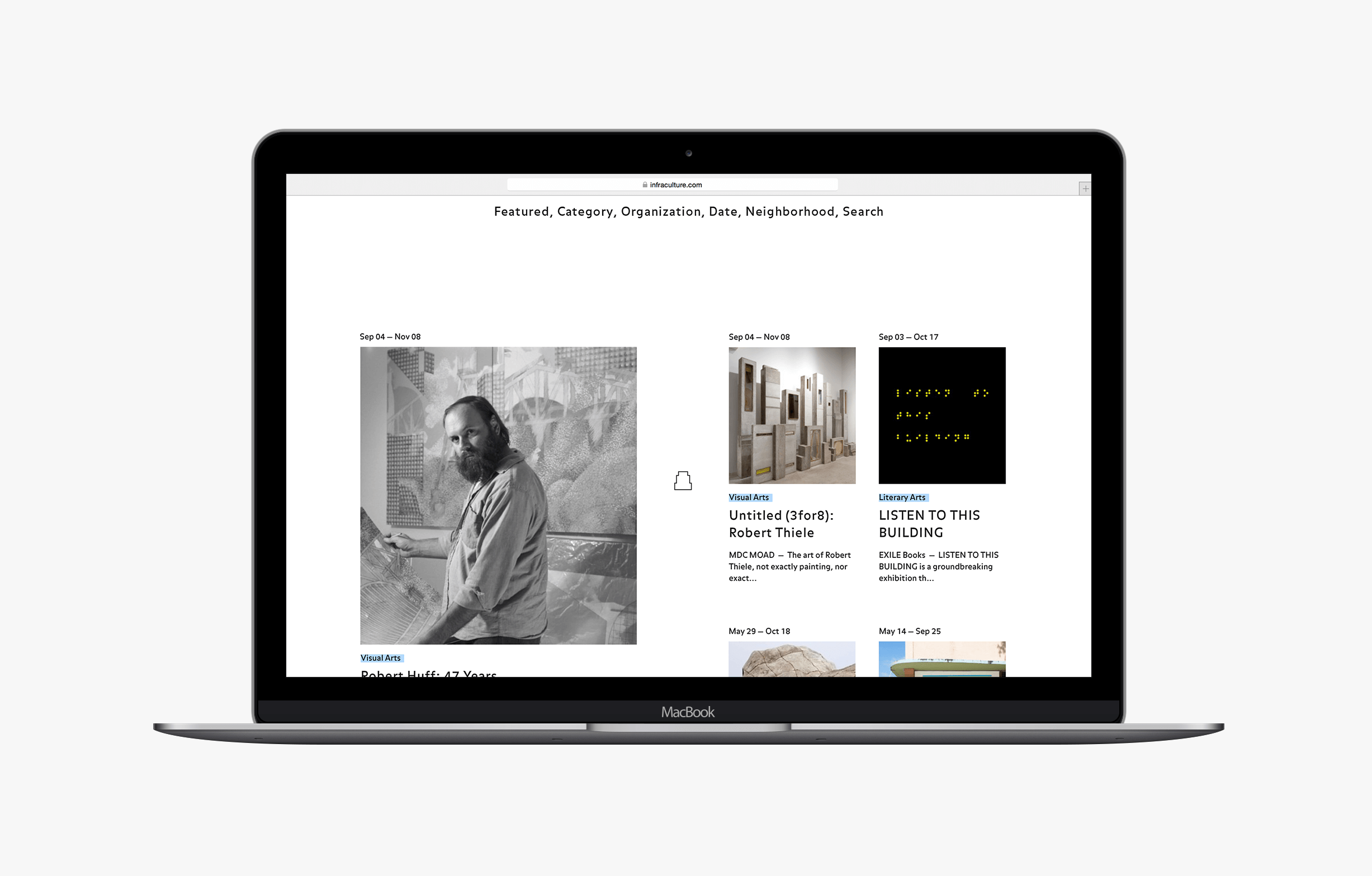
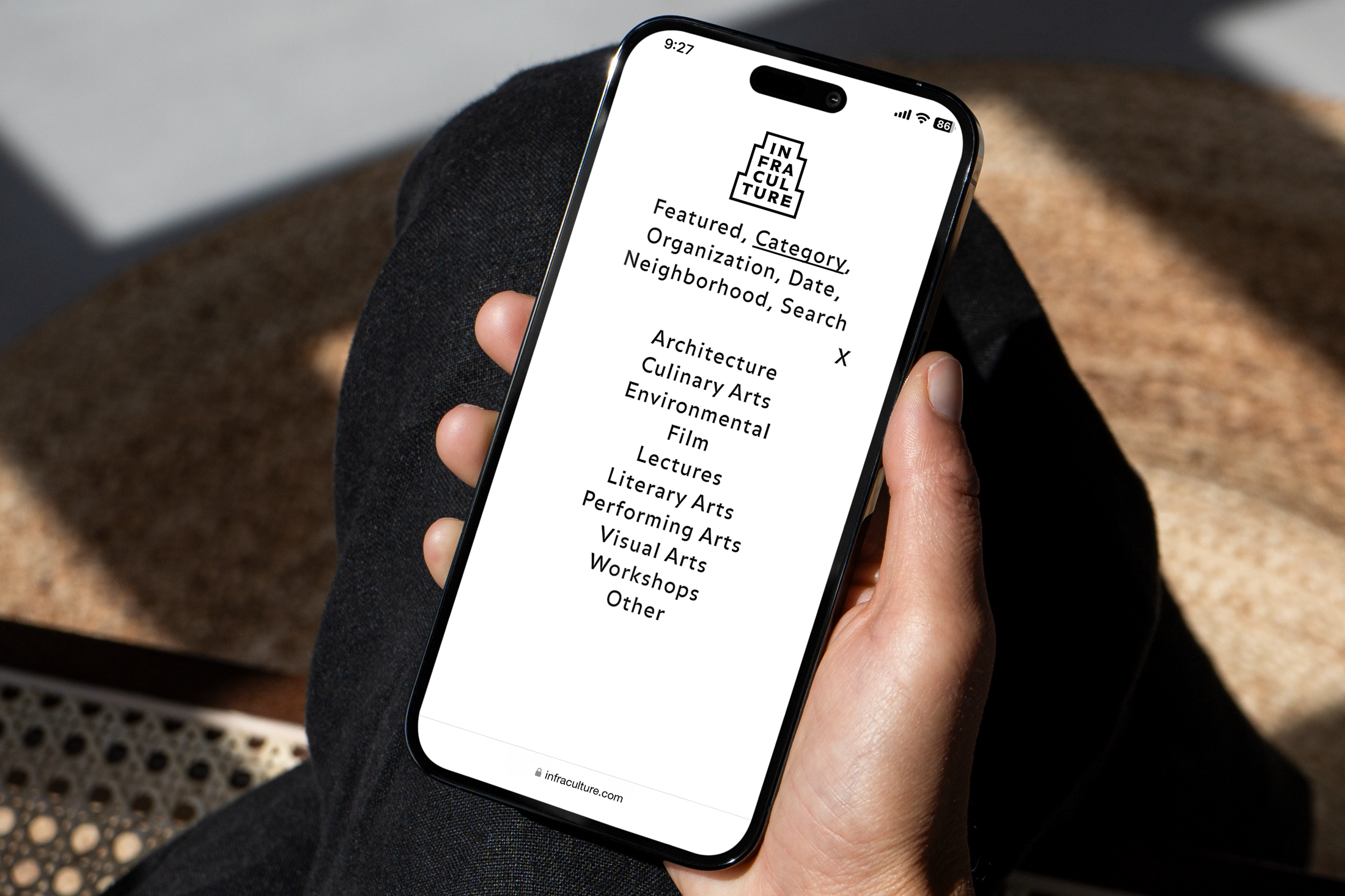
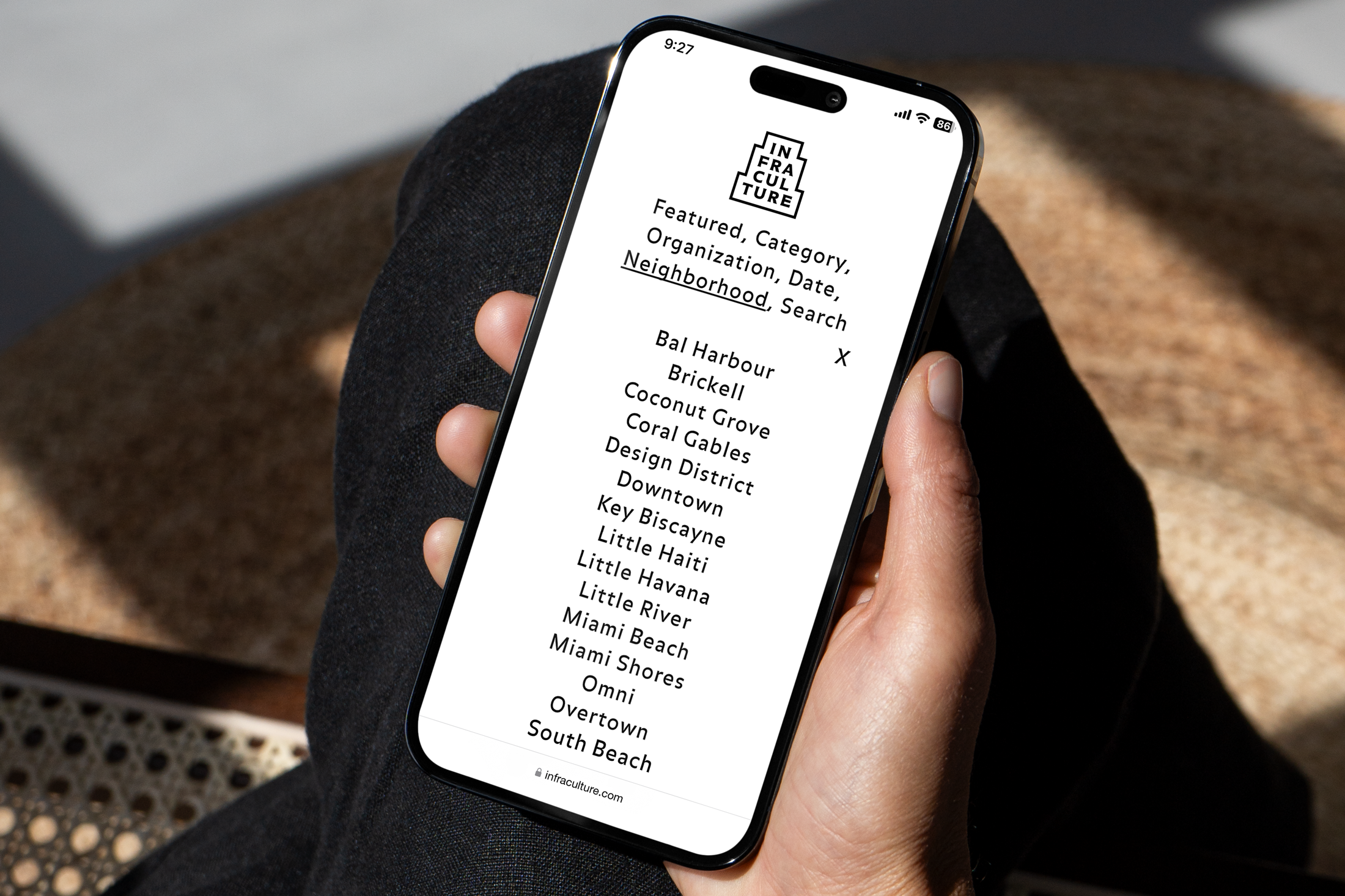
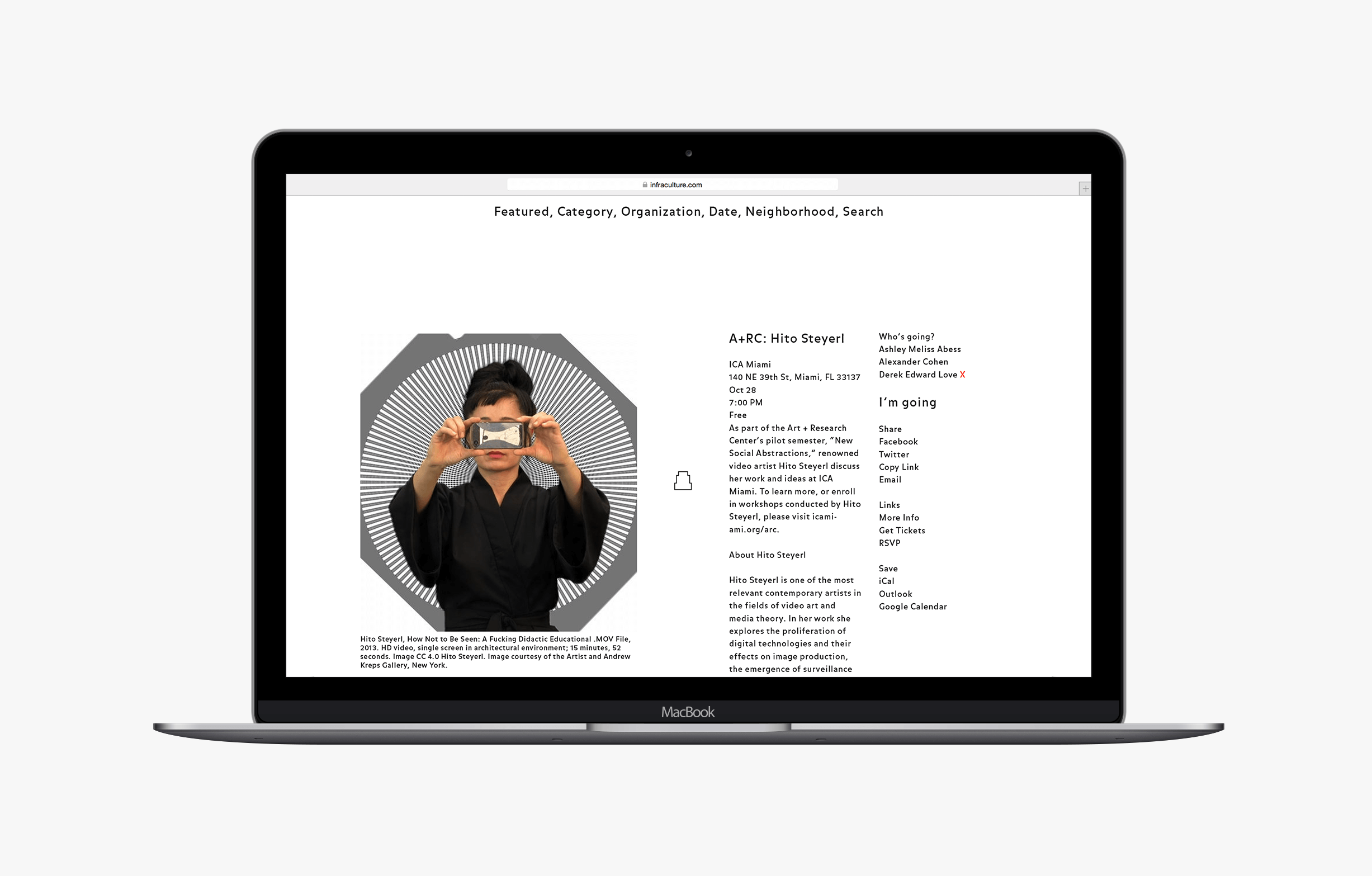
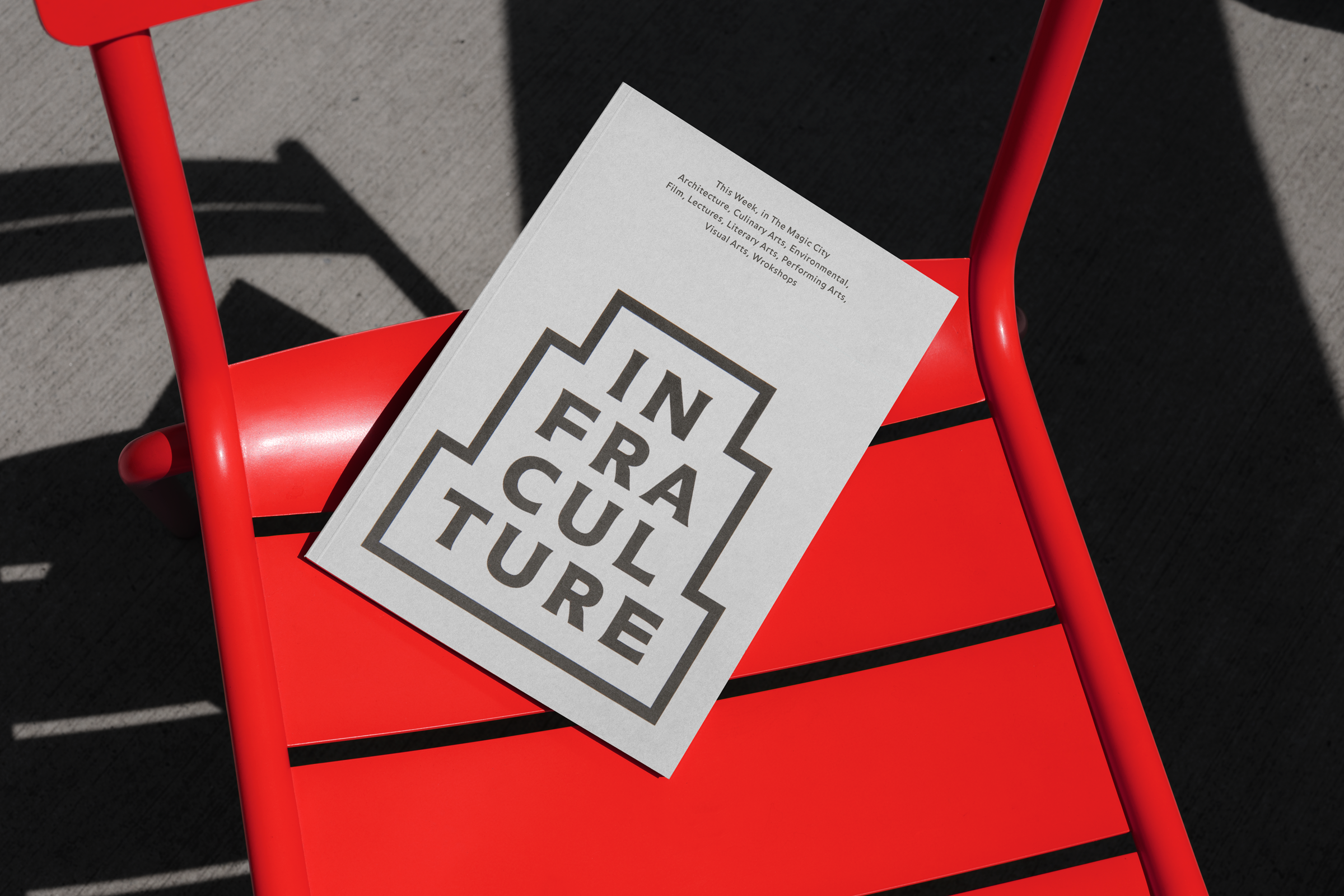
Name, brand identity, and website for a platform highlighting Miami’s cultural life.
Infraculture launched in 2013 to bring the city’s leading cultural institutions and serious programming into one clear, accessible place. The goal was direct: make the work visible and easy to find. The platform grew quickly and was named the best site for culture by Miami Magazine in 2014. It carried programming across architecture, culinary arts, environmental work, film, lectures, literary arts, performing arts, visual arts, and workshops. As cultural access became broader and more public, Infraculture completed its role and was deactivated in 2017.
Client: Infraculture; Studio: Love&Partners; Creative Director, Designer, Namer: Derek Love; Partners: Ashley Melisse Abess, Alexander Cohen; Web Developer: Daria Riabchenko; Typefaces: Audree, Balance; Years: 2013 to 2017.
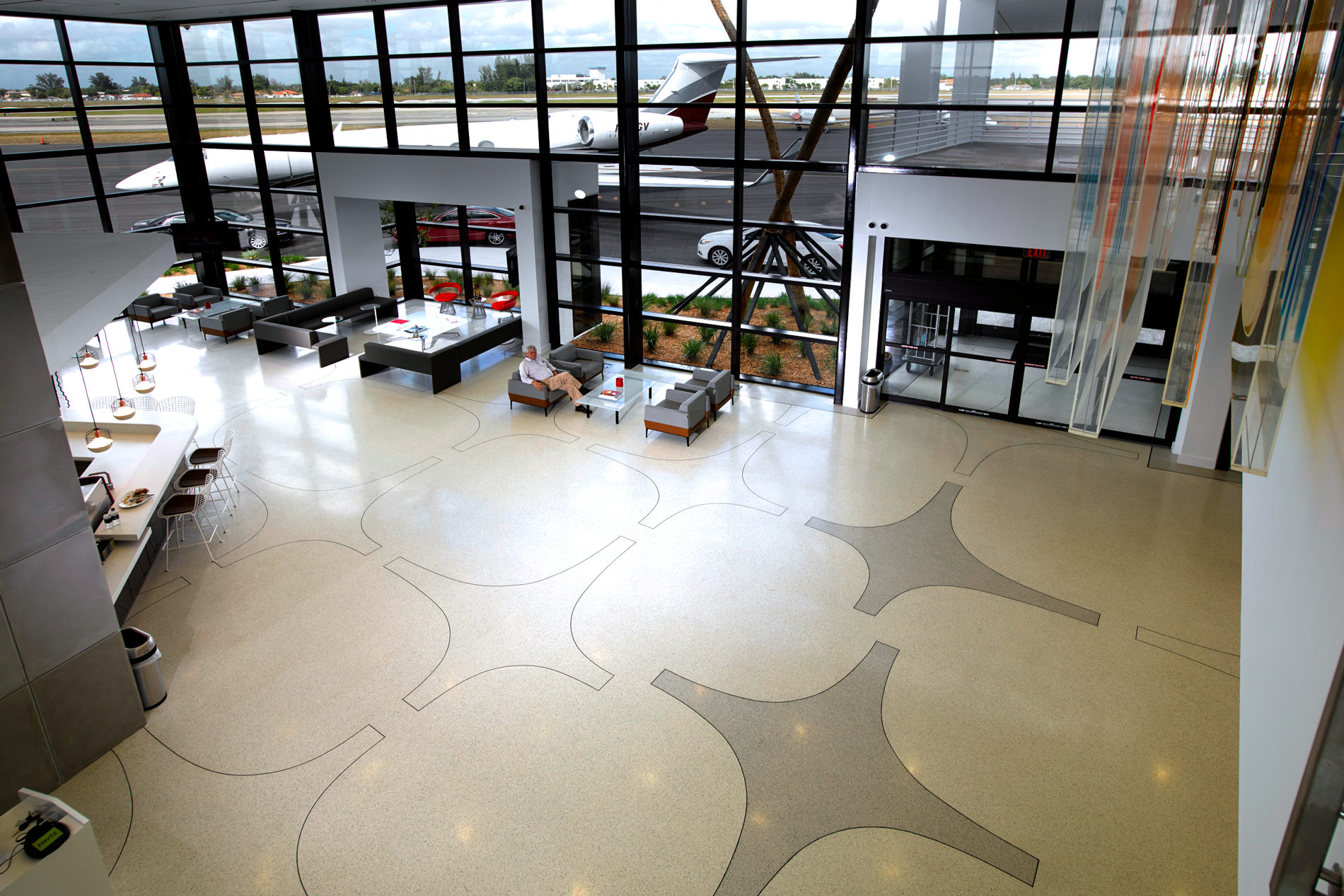
Brand identity, website, and signage for a private airport.
Orion Jet Center’s aging terminal and dated identity were limiting its presence. At Love&Partners, I worked with architects, interior designers, and contractors to rebuild the experience from the ground up. The goal was clarity. A space and a system that feel confident and modern. The identity is simple and direct. The environment follows the same logic, using clean forms, quiet typography, and clear layouts that help people move through the terminal with ease. After the redesign, Orion rose to the top position among fixed base operators in the Miami metro area, according to Aviation International News.
Client: Orion Jet Center; Studio: Love&Partners; Creative Director, Designer: Derek Love; Typeface: Ideal Sans; Photography: Joe Fletcher; Years: 2012 to 2016.
Derek Love is a creative director and designer based in New York. His work sits at the intersection of visual and verbal design, built on research and shaped through narrative. He is drawn to clarity, reduction, and typographic discipline, and he treats design as a way to bring order, coherence, and meaning to complex environments. Derek has worked across brand identity, experience design, publication design, and environmental systems for commercial and cultural clients. His practice reflects a belief in sustainable ideas that outlast trends, and he approaches each project as a chance to uncover a clear point of view. Typography remains a constant thread in his work. He uses it to set tone, guide rhythm, and give form to ideas. He has held roles at Pentagram, Milton Glaser, Lippincott, and his former independent practice, Love & Partners.
He now serves as Senior Creative Director at Verizon, where he leads a team of designers, writers, and creative specialists. Derek values the work of building and supporting creative teams. He enjoys mentoring, helping others sharpen their craft, and creating conditions where people can do focused, confident work. He represents the creative vision of his teams to partners and executives, translating ideas in ways that move projects forward and create positive impact for organizations. Derek’s work has been recognized by Communication Arts, Graphis, and Print Magazine, and he is a recipient of the Steven Heller Design Research Award. He earned his master’s degree from the School of Visual Arts.